
An almost painfully quirky hotel isn’t quite where you would expect to play a revived classic from the Nintendo Wii, but that’s how I came to play an early build of Muramasa: Revenant Blades recently. Marvelous Europe gave us the opportunity to play the opening chapters of the game as Momohime, while reckoning with the slightly confusing terms used for the difficulty settings.
The narrative was of little importance on this occasion, but I gathered it had something to do with spirits and the afterlife. Momohime’s soul was taken and the one that possessed her body – Jinkuro – started out to save the errant soul to continue his not entirely savoury quest of violence. This revival or Muramasa: Rebirth also adds four new playable characters, though they were sadly unavailable for this session.
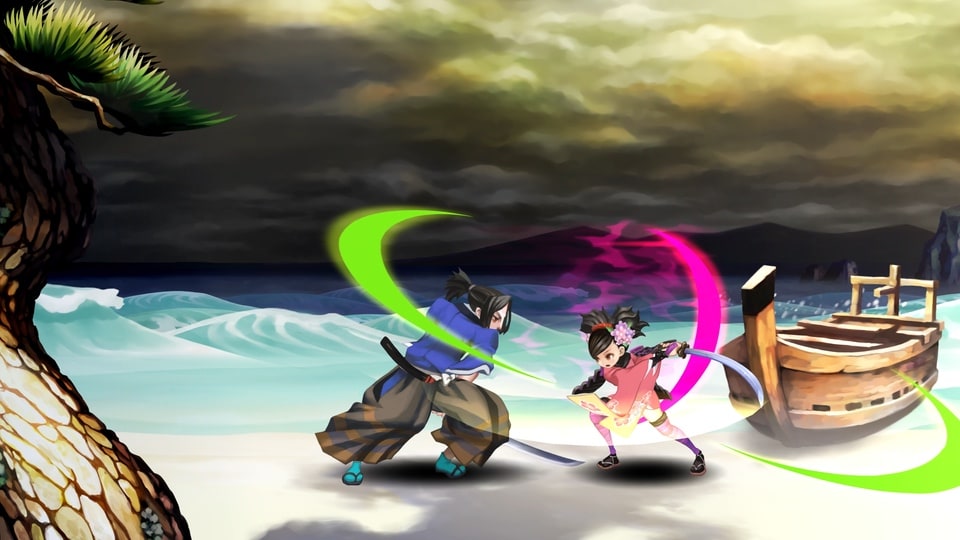
As you would expect, the gameplay hasn’t changed much in this new version. In fact, once I got back into the swing of it, the muscle memory from playing it back in 2009 came flooding back. It essentially boils down to combo heavy 2D combat, with a simple system of ground and aerial attack strings. But, like the original game, Revenant Blades has additional layers to add to the frenetic nature of the game.
The first big one is the Demon Blades, which can be switched between during combat to change up your playstyle and abilities. Also, you must switch out the blades to stop them breaking, which reduces your toolkit significantly. You can craft new blades and obtain new ones as you progress through the story, so there was a strong emphasis even in this short demo of switching out your equipped blades more generally as well as between them in combat.
It’s best to describe the combat as easy to start and hard to master. You can get through many of the encounters in the game by just mashing the buttons, but to get the best scores in combat encounters – or to just reduce the damage you receive – you will need to dodge, block and utilise weapon skills to become better at the combat. Also, button mashing is not the most effective way to take down the bosses, unless you want those encounters to outstay their welcome.

Aside from punting creatures from Japanese folklore into oblivion, you can talk to NPCs (with full voice acting no less), look for treasure in the environments and discover more about the world. As you’re running through the game, the mini-map shows the locations of exits from each screen and whether there’s a collectable to find. You’ll also occasionally run into barriers blocking your progress that require specific Demon Blades to slice through.
This only downside with this is that the pathfinding throughout is a little unclear. It’s just not readily apparent at times what you can and cannot jump onto, or what the criteria is to move between screens. From the short time spent with the game, I found that this was mostly caused by the visuals. The art style in this game is stunning, sure, but it isn’t helping with the visual clarity. The music is banging, though.
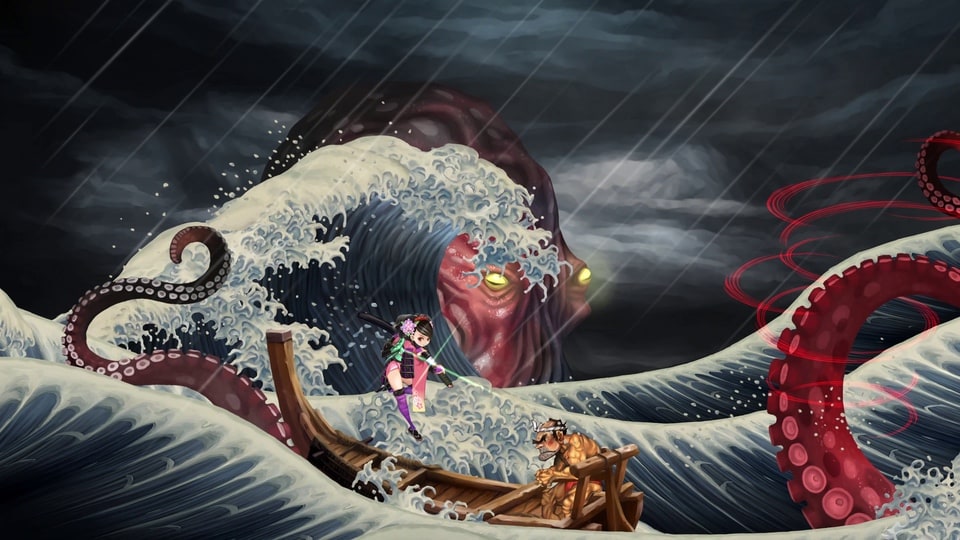
In short, it’s great that this game is getting another chance. It’s a little rough around the edges at this stage, but this was an early build with several months development to go. It looks as stunning as I remember, the combat is simple but with great depth to it, and the addition of new characters looks like it’s really going to add to the replayability. I’m glad it’s back, and I’m already looking forward to playing it again on 4th February 2027.