
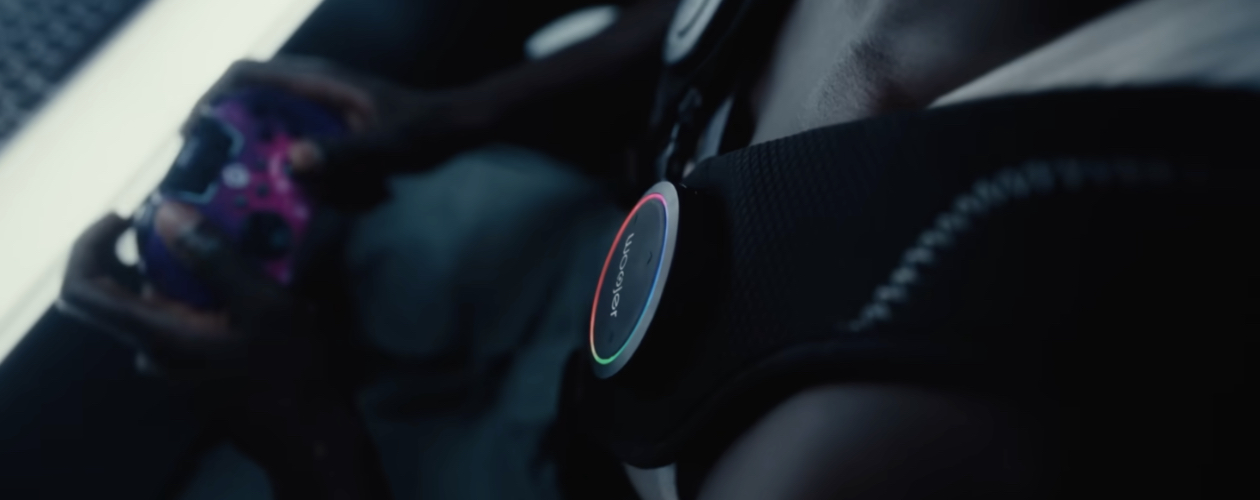
Woojer have set out to make gaming an all-encompassing experience. Since 2011, they’ve been building a portfolio of haptic-equipped devices that allow you to feel every explosion, every shot, every swell of the soundtrack. We recently looked at the most accessible of these devices, the Woojer Strap, but now it’s time to go back to their top-of-the-range offerings with the Woojer Vest 4. Once again, they’ve refined the experience down to a precise and exacting science, but while this is still a luxury purchase, Woojer have worked hard to reduce the price of entry this time out (though this really depends on where you live).
Every iteration of the Woojer Vest has felt undeniably cool, at least if you fancy looking like an NPC in Cyberpunk 2077. Fortunately, that’s right up my street, and this fourth-gen version of the tech has really nailed the feel and aesthetic of a truly premium device.
The Vest 4 is built to Woojer’s rigorous manufacturing spec, and if there’s one thing that the company can be relied on for, it’s emphasising the premium feel of its products. There’s not just a sense of weight and density to the Vest 4, but also of occasion as you unwrap it. Opening the box, with the Vest laid out in front of you, has to be amongst the strongest first impressions in gaming tech right now.
I don’t often run a hand across a new device, but the Vest 4 straddles the line between gear and clothing. You need to know how it feels. Woojer has used the previous iterations of the Vest as the foundation for this one, and if you’re coming from the third-gen version to this one, you’ll find plenty of similarities in how it looks, though with some notable differences.
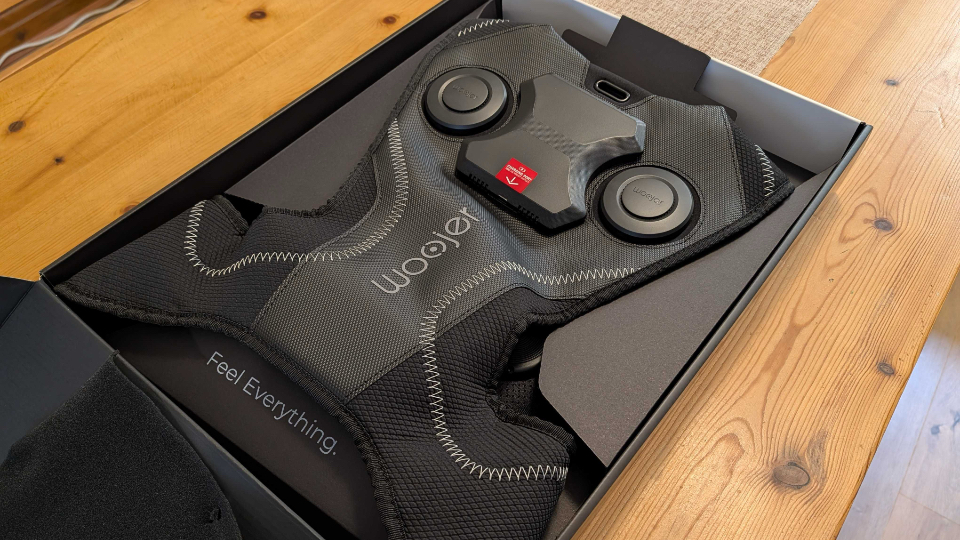
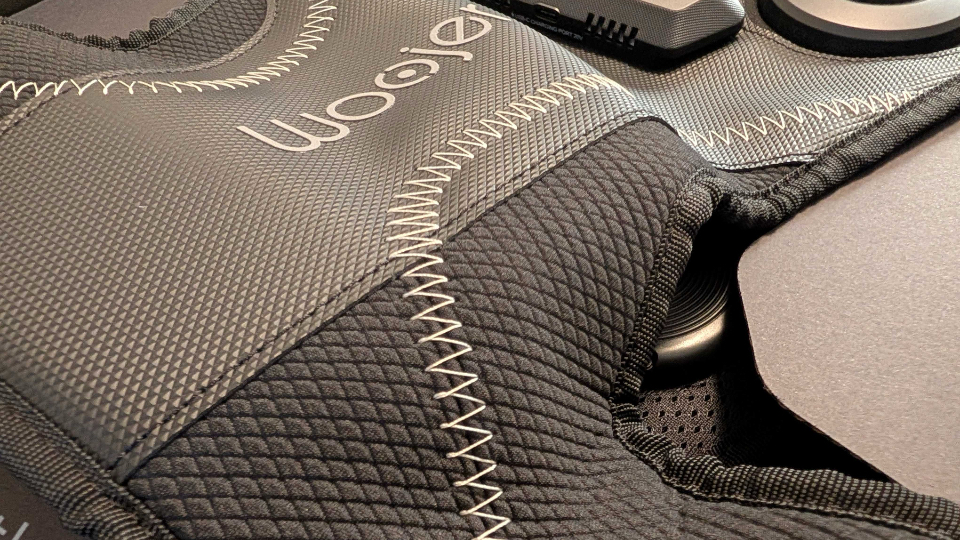
However, the Vest 4 immediately feels lighter than the Vest 4. That comes down to the change from the thicker leatherette of the previous model, to a much lighter, more breathable textured fabric. It’s wholly finished in black, with some rugged white stitching detail. It maybe doesn’t look or feel quite as premium as its predecessor, but – and it’s an important ‘but’ – that reduced weight makes interacting with the Vest 4 a clear step up over the Vest 3, especially through longer VR sessions.
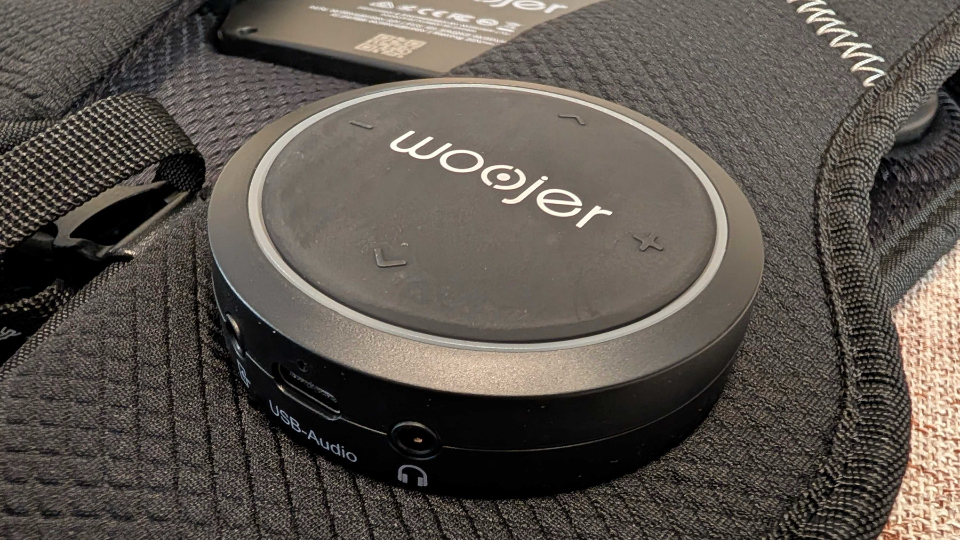
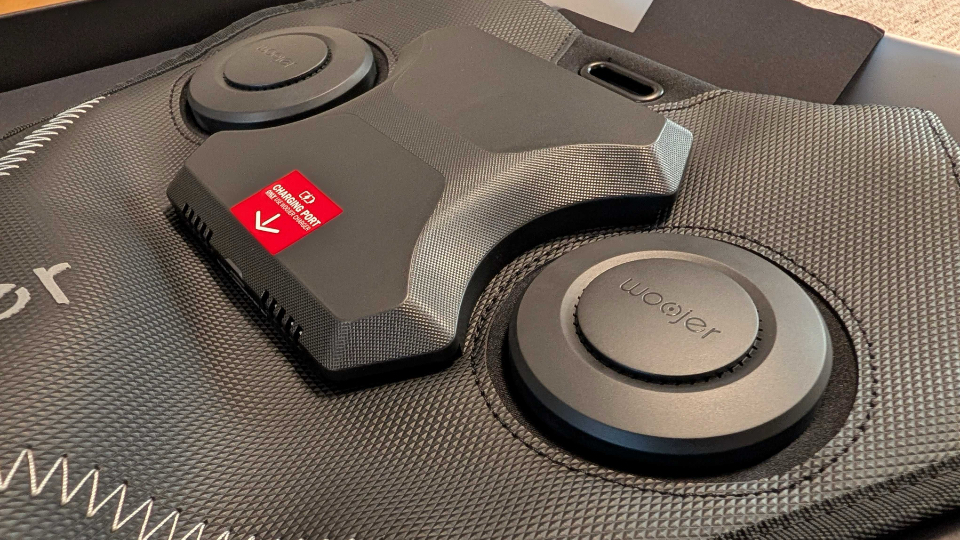
The main control unit is once again on your left chest, though this one mirrors the setup of the Woojer Strap 4, putting it all atop one of the haptic units, and adding an RGB ring for a dash of customisation and colour. This also houses power, volume control, Bluetooth and intensity settings, as well as the physical ports for connecting devices via 3.5mm or USB-C. The plastic housing on the outside feels less premium, but once again, that’s clearly part of the weight and cost savings that Woojer have targeted.
It’s a very easy device to set up. Grab your audio in, whether that’s a PS5 that you’ve wired up via the controller headphone out, or Bluetooth 5.0 from your mobile device or Switch 2, and then connect your wired or Bluetooth headphones to the Vest 4. The audio then runs through the Vest 4, taking the soundwaves and turning them into physical response from the haptics, making bass and other audio markers thump and rumble through your body in time. If you’re into music or gaming, it’s an awesome experience. Going wired has the added benefit of utilising the in-line Texas Instruments amplifier, meaning that you can drive some serious headphones if you have them.
The new and improved haptic transducers are thinner, but also manage to be both more powerful and precise than the last gen, giving you far more nuance and definition than you might expect from something that’s also capable of pummelling you with sound. Beat Saber remains the top-tier choice for the Woojer Vest 4, and hooking it up to the Meta Quest 3 is easy enough, even if you do occasionally feel like you’re wrapping yourself in cabling if you’re going wired. Once you’re in the thick of the action, though, with blocks rushing towards you and music cascading through your body, you will never want to go back.
Q-Games and developer Tetsuya Mizuguchi have long sought out synaesthesia with their games, aiming for a sensory, otherworldly experience where you can feel or see the music while playing their games – he even created a one-off synaesthesia suit, back in the day. They’ve created immersive shooter experiences like Rez alongside visually spectacular puzzler titles like Tetris Effect and Lumines Arise. These are the games you need to play with the Woojer Vest 4. The astonishing visuals and the exceptional music are the perfect match for gaming with the Vest 4, and feeling the direct impact of particular sounds and musical moments is unlike anything else out there. If you’re a fan of these types of games, you should definitely consider a haptic device, whether it’s the full-blown Vest 4, or the more easily accessible Strap 4.
The price is still the only true question mark over the Woojer Vest 4, and the last couple years of messy international trade has an effect on this. In the US, there’s a significant drop from $499.99 to $349.99, but in the UK the drop is only from £471 to £452 (including VAT and shipping). That’s largely out of Woojer’s hands, but it doesn’t make it any less painful. It’s a lot to spend, either way, and it sits on top of however much you’ve already put into your gaming and VR setup. It’s a unique product, though, and if you’re interested in enhancing your gaming, movie watching or music consumption, and are feeling particularly flush, the Woojer Vest 4 offers a tangible experience that brings music and sound to life in a truly remarkable way.
There aren’t many companies out there doing the same thing as Woojer, and the only major competitor in the space is bHpatics. They have a range of Tactsuit options, with the Air currently priced in their on-site sale at $269 and the Pro at $529. The two companies have different outlooks on the best way to implement haptic feedback, and Woojer’s is more straightforward, and easy to set up, taking an audio feed from pretty much anything and turning it into a physical sensation.
Tactsuits, meanwhile, have more haptic motors, and alongside audio response they can also function directly with a range of software, providing a more convincing 1:1 spatial response for gunshots and blows. If you’re really serious about your gaming, especially competitive VR games, the Tactsuit Pro might well be the better choice, but it’s a further step on the premium scale, and there are more hoops to go through to get it working – it’s also certainly hotter to wear for longer sessions.
The one thing I’d have hoped to see from Woojer by now is direct software support, and there’s a certain level of disappointment that this doesn’t seem to be a priority for them. I think they’ve nailed the haptic vest, from both a functionality and aesthetic point of view, but it feels like a natural next step to target some form of direct link to go alongside the direct audio feedback. Perhaps we’ll see that in the next generation.

