Tomodachi Life: Living the Dream is the long-awaited sequel to the popular 3DS game, expanding on the setting and gameplay but keeping all the weird humour. This time set on an island, with the player taking the place of an all-powerful deity. Much like the stories of the Greek Pantheon, you can sculpt your own world and fill it will splendours, but you have very little control over that pesky little animal called man.
Erm, where was I? Oh right, Tomodachi Life.
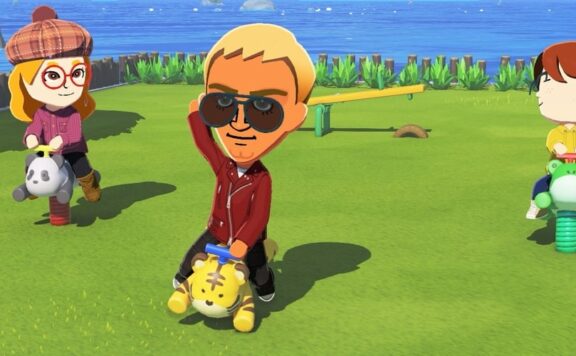
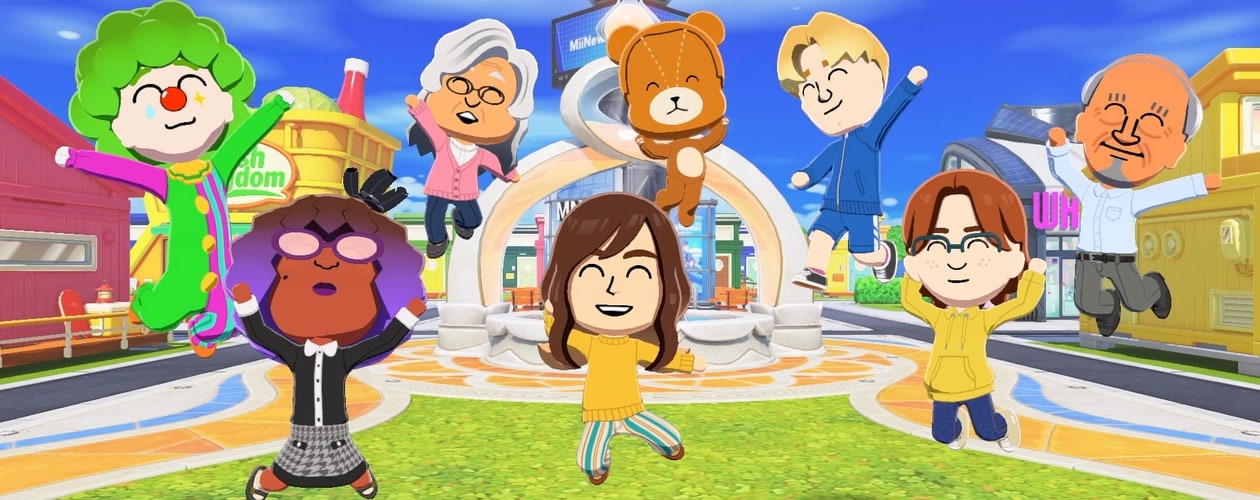
Most of your time on the island will be spent looking after your residents, whatever you decide they will be. The first step is creating your characters, and Tomodachi Life: Living the Dream has an expanded set of Mii creation features, including full facial painting. You can create whatever you want, from all your friends and family, to animals and monsters, and then throw them together on the island to interact, become friends, and maybe fall in love and have children.
If your attention is needed, the Mii will have a symbol over their head related to what they need, whether it be a little cloud of frustration that can indicate that they have a burning question for you, or flashing purple lines to denote a physical ailment they need assistance with, such as seizing up. Also, if you see green lines above their head, I’d recommend getting on those quickly as they mean that the Miis want to play some sort of weird game with you.
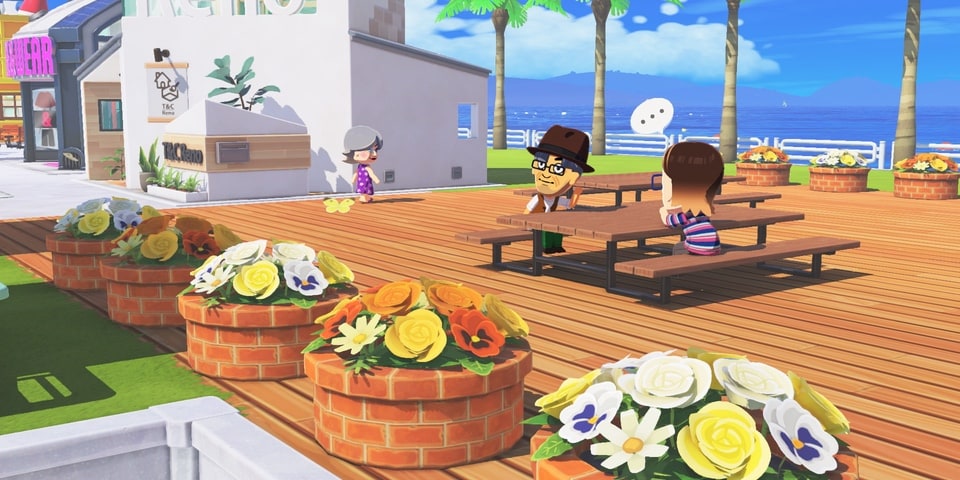
Soon after starting you will gain a clothes shop, supermarket and store for island renovations, among other buildings. When it comes to helping your Miis, each of them has their own tastes based on how you place their personalities when you build them, so they won’t always appreciate the clothes or food you gift them. But, if they do appreciate your benevolent gifts or assistance, you build up their happiness, granting several rewards with each level gained.
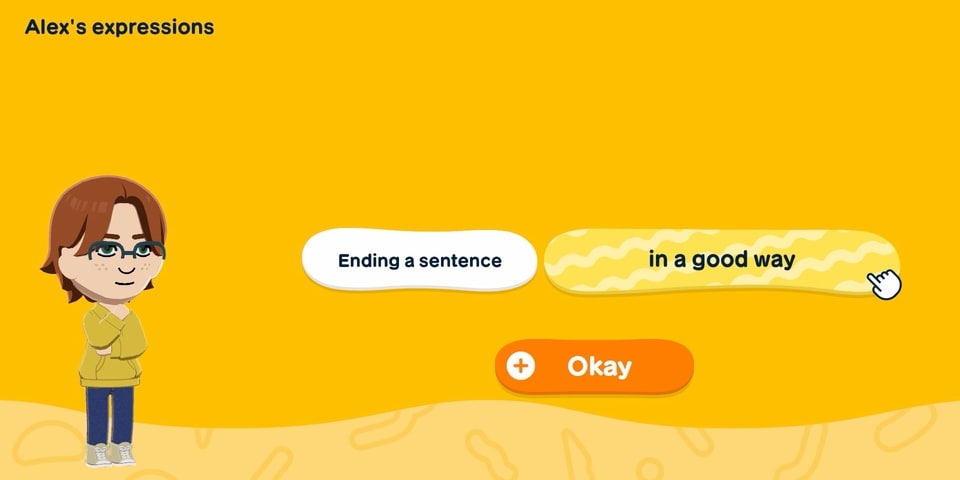
Upon levelling up, you can provide your Miis with a permanent upgrade of some sort. This can be a new personality quirk to change how they behave, providing them with a Prezzie that they will use around the island, or giving them an catchphrase, among other things. These will build out your Miis and shape not only their behaviours but how they interact with other Miis.
Returning for Living the Dream, and with a stronger focus (as the name might give away), are the dreams of your Miis. If you catch your Miis while they are asleep, you can dive into their minds to see what’s going on in there, which come with all the levels of weird you would hope. I’ll admit that I’ve already started seeing some repetition in these, which is a shame considering the focus, but it has occasionally still thrown something completely out of left field and leave me cackling at the absurdity.
So far, however, this is mostly a continuation of what the original game offered. New for the sequel, is the Wishing Fountain. Once you make your Miis happy enough, you fill up your cute little jar of wishes and can level up your island. unlocking further island upgrade options, Prezzies, Quirks, and other additions. Then you can customise your island with the Island Editor, which allows you to terraform and move buildings around, add plant life, and objects for your Miis to interact with.

Beyond this, many of the changes for the sequel are smaller, but no less welcome. The openness of character creation allows non-binary characters, expression, and romance, with no limitations. Also, the in-game censorship isn’t seemingly as strong this time around, with the ability to add phrases to you island that would make a sailor blush (if you want to, of course).
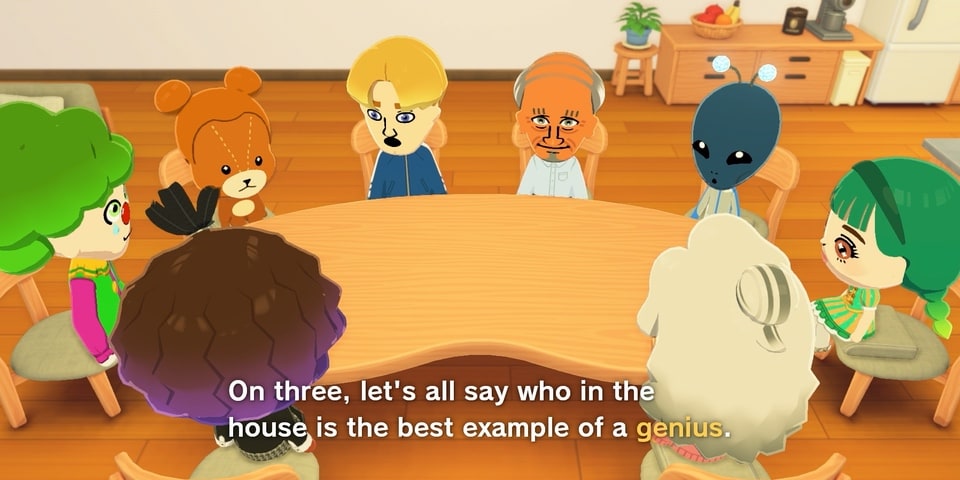
The baseline weirdness of this game does not let up for a second. One moment your Miis will be sitting around having a discussion that has jarring awkward silences at the funniest possible moments, others they will be excitedly photographing a lamppost or calmly blowing bubbles for just a little too long. It’s just plain odd from the opening hours, but if abrupt nonsense is your sense of humour (as it is mine), you’ll be right at home.
I will say, however, that my biggest early complaints around the game from my preview persisted throughout my time on the island – there just isn’t enough to do to let you keep playing. I added many more Miis to the island, although I didn’t reach the maximum cap of 70. Even then, that only served to briefly extend the playtime each day, and I would quickly run out of things to do with the Miis until they wanted my attention again. It is still a testament to how much I enjoy the game that I want to play it more than it allows me to do so, but short of constantly restructuring the island or making constant new customised objects in the Studio Workshop, the amount of time you can really spend on the island each time you play is limited. It hasn’t stopped me dropping in at least twice a day, though.
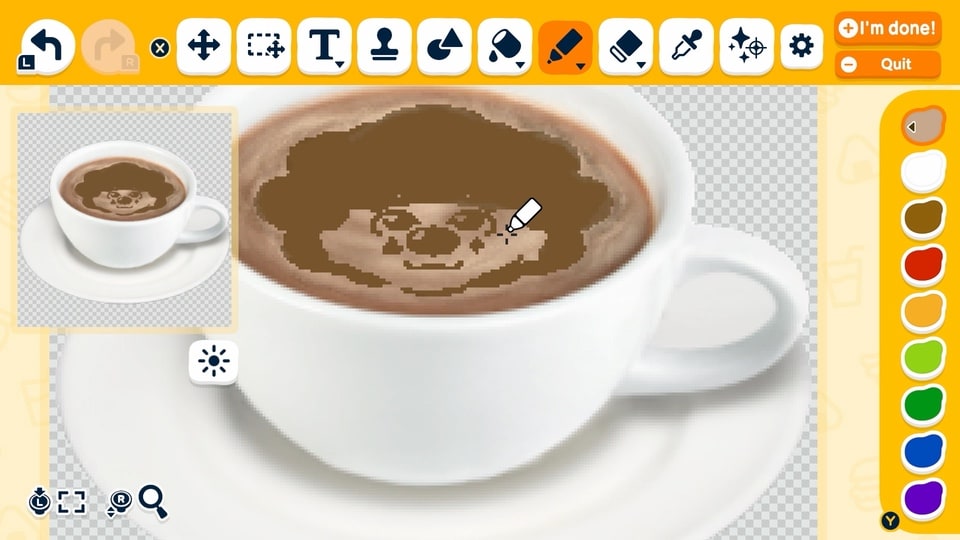
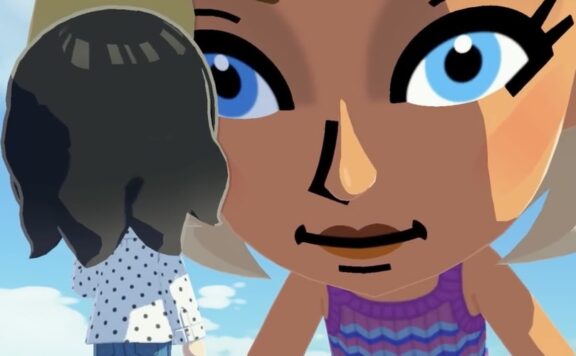
Visually, Tomodachi is charming nonsense, mixing photorealistic images with the cartoonish simplicity of Nintendo’s Mii character. It’s an odd mix, for sure, but it matches the oddness found throughout perfectly. After all, why would a Mii resembling someone I know not have a photorealistic (but still two-dimensional) dog that makes disconcertingly deep “woof” noises?
On that note, I do have to highlight the sound design too, especially the text to speech throughout, as it really contributes to how off-the-wall this experience feels. It needs a little prompting to correct pronunciation sometimes, but it never ceases to be funny hearing Miis spout whatever nonsense you have fed into the game, especially when the Miis use the terms quite far out of their original context.
Plus, the music in Living the Dream is just so damn catchy. The main theme is a delightful little bouncy track, and the song that plays when a Mii levels up or you win one of their games is a particular highlight. In fact, I’m sitting here as I write this humming that song to myself – either an indication that I’m weird, the song is infectious or perhaps both.