

With over thirty million players around the globe, Overwatch is kind of a big deal, a gaming phenomenon that has swept the world, recruiting what is one of the most doting international community of players. Even non-gamers have found themselves being drawn in by its now-iconic cast of characters. Despite much of their lore being tucked away in origin videos, web comics, and the occasional forum post, there’s a constant barrage of fan-art, theories, memes, and cosplay.
When we originally reviewed the game a year ago, none of that really mattered. Mass following aside, Overwatch is an accomplished online shooter and equally as ground-breaking as Call of Duty 4 was back in the day. As we’ve seen with Starcraft, WOW, and Diablo, when Blizzard decides to take on a new genre, they don’t just get a foot on the ladder, they almost always power their way to the top.

By combining uniquely-styled heroes with a strong team-based core, Overwatch allows for myriad tactical possibilities. It sounds like marketing talk but, after at least sixty hours of play, I can confirm that no two matches play out the same way. In fact, reading over our review, the only bad thing we had to say about Overwatch was its loot boxes. Although hardly new in 2016, one year later you’d be hard-pressed to find an online (or “live”) game not trying to peddle random perks and cosmetics. It’s become the norm and something I never engage with… unless it’s Overwatch. With a selection of truly badass skins, I often find myself splurging on loot boxes when I’m in the mood, and with a steady stream of fresh content, that means a lot of pricey skins.
Instead of releasing Overwatch into the wild and following the Call of Duty/Battlefield DLC model, Blizzard was wise enough to adopt a different support model. It’s one that’s become increasingly common in the past couple of years, chucking new maps and other core content at players while only charging for secondary, mostly cosmetic stuff. For multiplayer games, this has been somewhat of a revelation and one that avoids the segregation imposed by the archaic map pack model.
Since launch, we’ve had a sizeable cluster of new maps and modes – the anniversary event that’s currently running adds three new maps for the smaller 3v3 Elimination mode – as well as three playable characters. Like the core roster, each one has their own unique combination of weapons and abilities, creating their own role within a team.
The first of these was Ana – a popular pick among the competitive crowd and definitely one of Overwatch’s more unconventional characters. Using her sniper rifle, she can hurt or heal target depending which team their own, creating a dual-role. Her Nano Boost ultimate has also been somewhat of a game-changer in the hands of skilled players. Tag a friendly Reinhardt with this bad boy, and you effectively have a seven foot German battering ram.
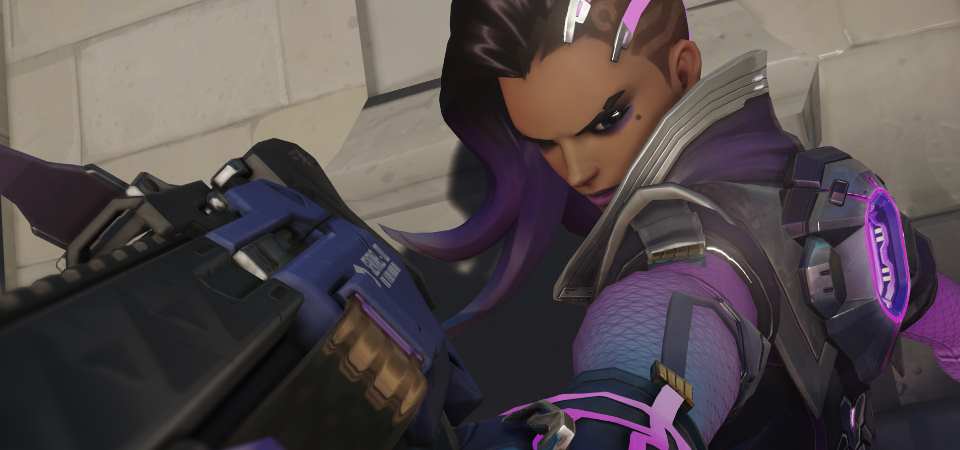
Next to come was Sombra, after a somewhat torturous few months of teasing in the form of an ARG (augmented reality game). Every time a new Overwatch patch dropped, it wasn’t long before die-hard fans had completely scoured it for even the tiniest of clues. She may not get a lot of screentime in the competitive scene though Sombra certainly made quite the entrance in Blizzard’s cinematic reveal.
Orisa is the third character to join the Overwatch team since launch and she’s just as versatile. Her deployable shield and damage buffs allow her to stake out parts of the map and effectively create chokepoints. In truth, she doesn’t get that much fanfare despite her impressive tanking prowess – maybe it’s down to her lack of cosplay-ability?
It’s only when you look back and take stock of everything Blizzard has added or changed that you can appreciate their efforts in making Overwatch as good as it can be, from smaller balancing tweaks to overhauling game modes and enforcing single hero rules. Transparency has also been key to their success, lead designer Jeff Kaplan more than happy to field the unending tidal wave of player feedback with a genuine sense of passion.
So what can Overwatch fans expect in the near future? Well, aside from the current anniversary celebrations, there’s bound to be more seasonal events in the pipeline. Whether they’ll simply return to last year’s formats, tweak them slightly, or create new ones is unclear, but as we’ve seen, Blizzard isn’t one for half-measures.
New characters are surely on the docket too, Doomfist being a name that continues to crop up week in, week out. As in other competitive games like League of Legends and Dota 2, creating new playable heroes takes months of rigorous design, testing, and balancing. Although it would be great to see the Overwatch roster topped up with another trio of newcomers, there’s an equally strong desire to give Blizzard the time they need to make sure they fit with the game’s current balance.

There’s a lot of things we haven’t touched on in this article. For instance, the new maps and modes have created even more ways for players to enjoy the game and customize their experience. There’s also the way Blizzard has continued to organically expand the Overwatch lore, not to mention their quest to create gaming’s most accessible, far-reaching esports league.
Before Overwatch, the idea of turning an online only competitive shooter into a game that spans not one, but several years seemed alien. Impossible, even. Although people will happily point towards Destiny, the way Bungie handled its post-launch support and expansions was a confusing mess. Again, Blizzard wasn’t the first to pioneer this model (PC shooters have done it for years) though its runaway success with Overwatch has sent shockwaves through the industry, and publishers are scrambling to emulate that success.
That, to me, is perhaps the most intriguing, exciting aspect of Overwatch. I love the characters, the gunplay, and the overriding focus on teamwork but I’m equally fascinated in seeing how it affects the gaming industry as a whole.
By the way, don’t forget Overwatch has a free trial this weekend.



Tony Cawley
I was very sceptical at first but my son absolutely loves it.
Thing is with it, there’s no hook. I find modern shooters, for me at least, need some sort of levelling up system or something to keep you engaged other than just shooting, and this is what I think Overwatch lacks.
Tony Cawley
They have however done a fantastic job with the regular updates and events, something to keep you coming back to check out at least.
Jim Hargreaves
Overwatch offers more or less of a “hooK” than other shooters, depending on how you look at it.
No, there aren’t any weapon attachments or new guns/characters to unlock but there’s a good reason for that. Blizzard have deliberately stripped out any sort of custom character loadouts, creating a level playing field.
Overwatch does still offer XP and traditional ranks though. There’s also the loot boxes (love em or hate em) and currency that can be spent on cosmetics.
For me, Competitive Ranked Play is the main hook. Being able to build a score over a season and your career is a real driving force to improve my performance in-game.
aerobes
I’ve tried to get into this again and again but I can’t escape the feeling I’m forcing it rather than having fun with it. It’s a shame.