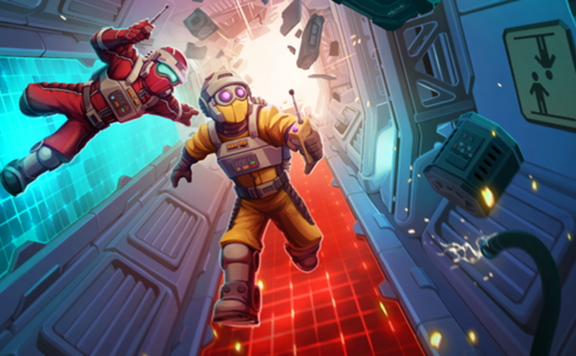
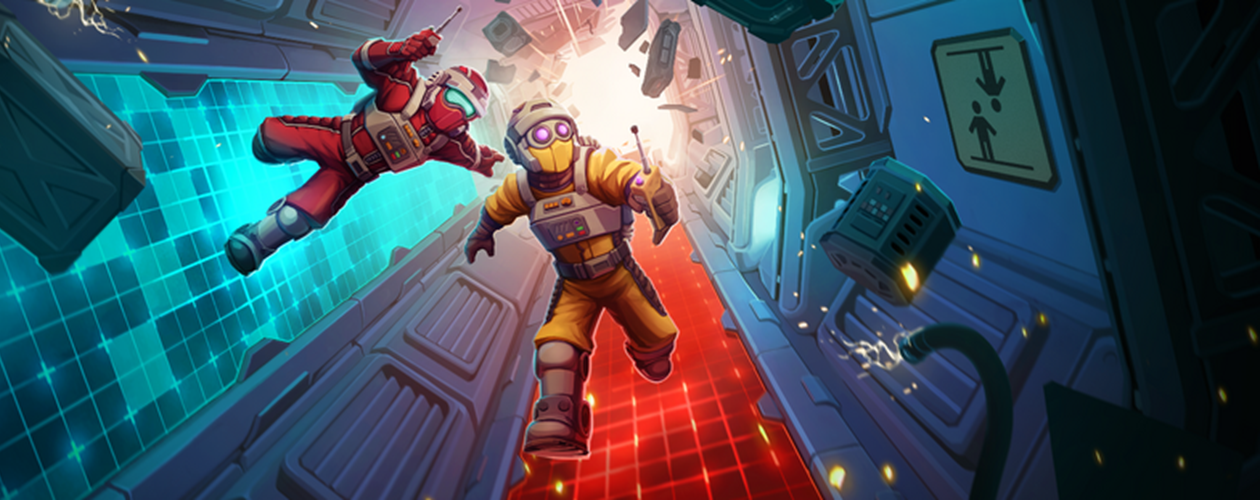
The tale of King Bartholomeus, Castle Rock and the pesky, tricky Jester has provided the narrative for We Were Here’s often very frigid co-op puzzling for the better part of a decade, but Total Mayhem Games has declared this will be the case no more. We Were Here Tomorrow jumps through portals and rifts in time to a retro science-fiction setting.
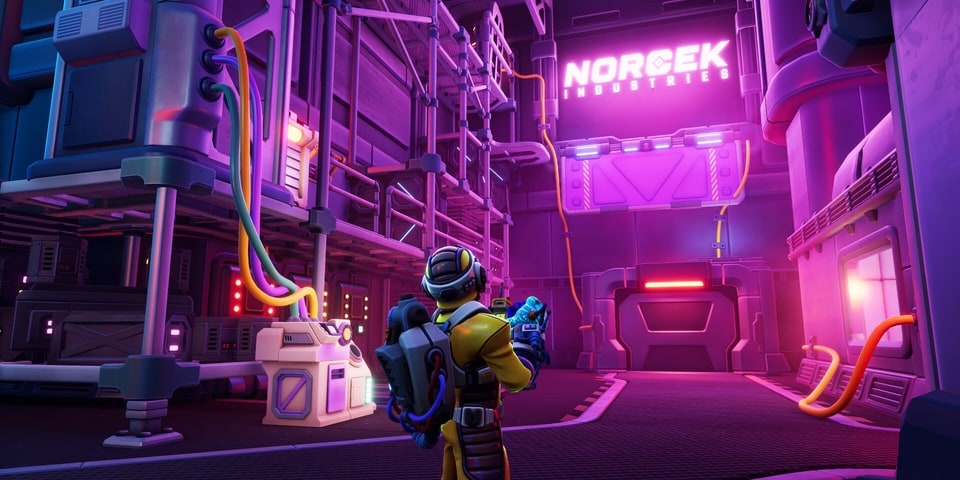
Waking up from a pair of mysterious pods, you and your chosen co-op partner are led into the process of resolving a bunch of puzzles through a very science-y facility by a calm and assured voice over your radios. Something went wrong here at Norcek Industries, an leading company looking to tackle a strange energy crisis (certainly very strange when compared to our real world energy crisis). You’re the only boots on the ground able to tackle it, so – as we come to the tail-end of a week-long demo period on Steam – it’s time to hop to it!
Right off the bat, it’s clear that We Were Here Tomorrow has made some significant changes to how the series plays, while retaining the same ethos of communication-based co-op puzzle solving. One of the first things that caught me unawares was the addition of genuine bonafide proximity chat, to go alongside the series staple walkie-talkies. It took a good little while of holding the mouse button to talk and ending sentences with “over” before we realised that, actually, we could hear each other anyway. We were, after all, sat right next to each other in a fast-moving transit pod, and then sharing the puzzle space while learning how the game’s other new quirks work.
Having proximity chat really is a blessing, even if it does muddy the waters just a little for how you communicate. You do still have walkie-talkies, and you do still have one-way communication through them, forcing you to practice good comms etiquette when you end up split apart and too far away to hear your co-op buddy, but shifting in and out of that might be an additional mental hurdle. Still, this certainly helps keep the conversation and the fun of the puzzling to the fore, and I’m certainly guilty of having hopped into a plain voice chat with previous games to avoid the fuss. I’ll probably stick with the walkie-talkies a bit longer in We Were Here Tomorrow.
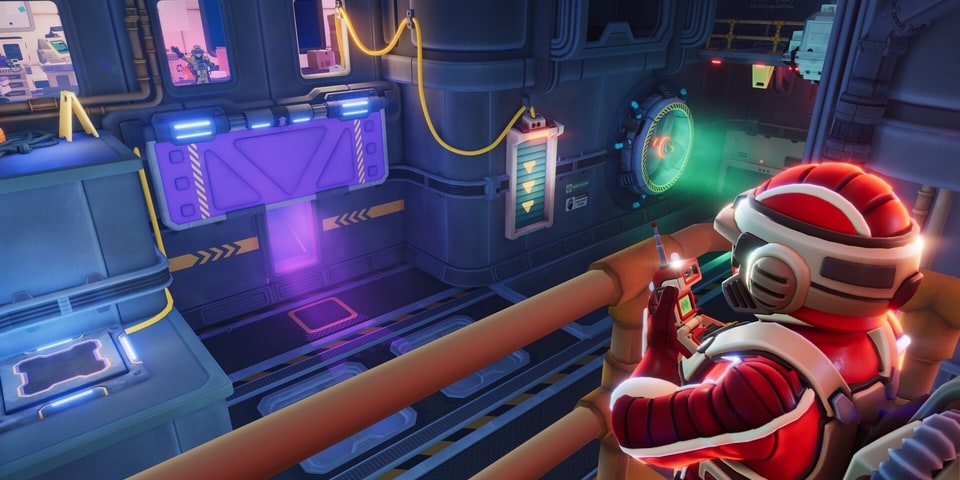
The other immediate change is that both players have their own individual tools – one a gloopy grabbing tether that feels borrowed from High On Life, the other a sci-fi baseball glove that can shrink down and carry some items. The controls for these do need a little bit of explanation – the left mouse button fires them, but then ‘F’ pulls on the grapple, while ‘Q’ releases – but the more significant impact is that you now have more defined jobs and roles in the co-op puzzling, and you won’t be able to simply trade places when starting a particular sequence.
The demo ran through three puzzles, showcasing some of the traditional two-player puzzles of taking turns to hold and move a lift, of standing on an activation pad so the other can walk across a platform, and the like. The second area was a little more fluid, letting both of us explore together while relying on out individual abilities to, and with multiple key cards to grab, hatches to open and more. And then it all gets really very sci-fi with gravity walls and ceilings taking us in different directions. A simple code reading skill check of describing symbols in one area for the other player to trigger built up to the demo’s climactic moment, stepping into a huge swirling maelstrom of science gone wrong, which will no doubt lead to plenty of puzzling trouble.
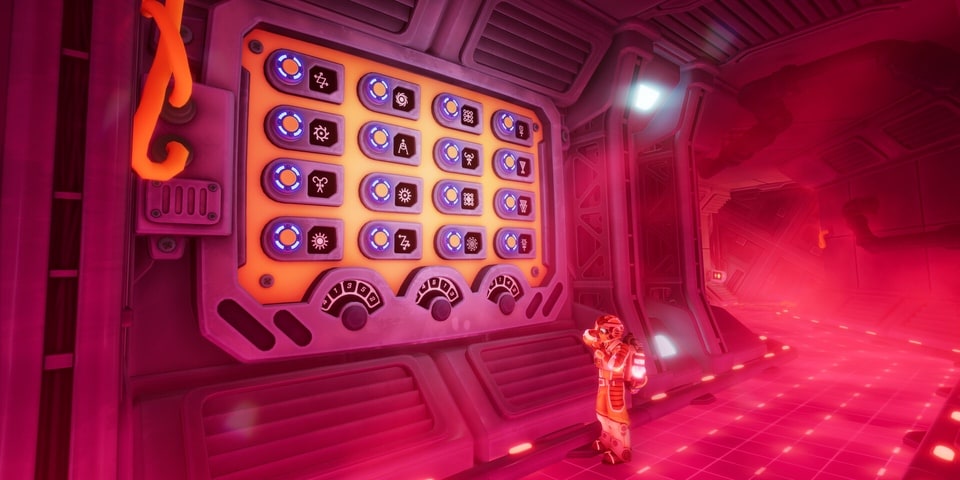
All in all, We Were Here Tomorrow’s demo gave a nice glimpse of where this co-op staple is heading. It’s nice to have proximity chat, it’s interesting to have player-specific abilities, and the retro futuristic sci-fi and synth-led soundtrack go hand-in-hand with the chunky visual art style and purple hues of this opening facility.
If that’s tickled your fancy (or if you’re a fan of previous games), then you’ve only got a short time to check out the demo on Steam, as we come to the end of its one week availability tomorrow.