
Call of the Sea was a game that I loved when it first released over five years ago, and so I was hugely excited to see that a sequel was coming and have been looking forward to diving back in since. Serving as a direct continuation of the original’s story, Call of the Elder Gods definitely benefits from having played the first, but there is an effective summary available at the beginning of the game if you haven’t, and that game’s finale necessitated a new protagonist for this sequel anyway.
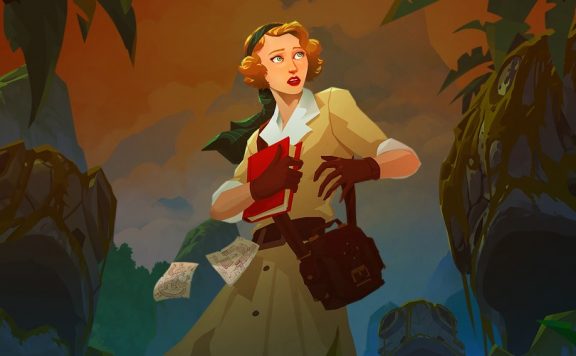
Call of the Sea had a very distinctive artstyle that focused on bright colours and a more cartoony aesthetic that stood out from the hyper realistic nature of so many competing titles. Call of the Elder Gods continues this approach, but feels a little more muted in places and sometimes less ambitious with static screen cutscenes telling a lot of the story. Some of the changes are a result of the bulk of the action taking place in locations that aren’t the tropical island of the original, with interiors such as caves and buildings, whereas others seem to point towards a decrease in scope for the game’s development.
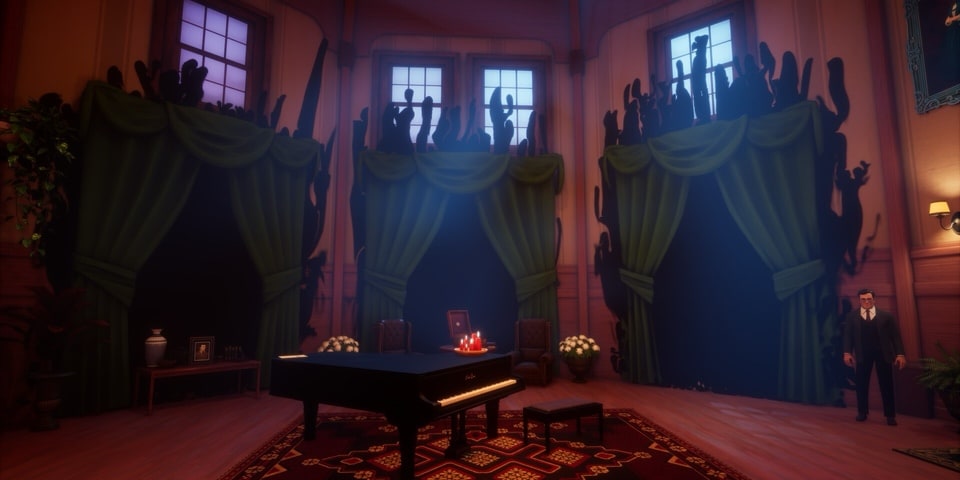
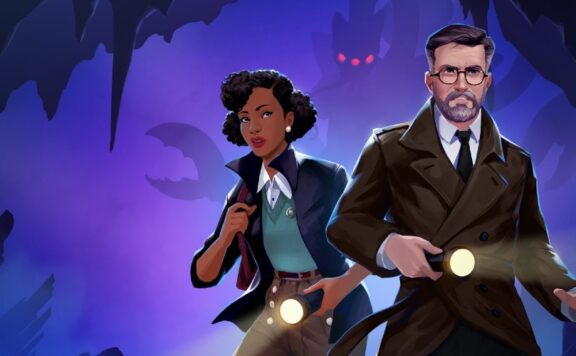
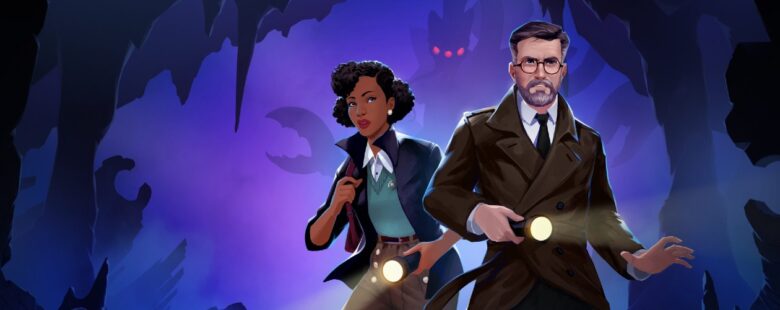
Music and voice acting played a huge role in the general effect and atmosphere of Norah’s adventure and these continue to be highlights here. All of the voice acting is high quality and music well judged to suit the mood of each area. Norah acts as a disembodied narrator for much of the game as we follow the adventures of her husband, Harry, and new character, Evangeline Crawford – a gifted young black student who has been touched by the same eldritch mysteries as Norah and Harry. As the story develops it is revealed that she has connections to the original expedition, giving her unique insights into the cosmic horrors and technologies that populate the world of the game.
Evangeline is a fascinating addition, with her identity as being black and female being key factors in the 1950s American setting. This isn’t gratuitous however, but instead points towards the game’s uneasy relationship with the works of H P Lovecraft in general. This is very much a game that is inspired by Lovecraft’s notions of cosmic horror without directly engaging with some of the more specifically problematic notions. Similar to the novel and TV series Lovecraft Country, this game uses cosmic horror to discuss ideas of progress and fascism – the latter taking the part of literal Nazis working behind the scenes in the post-war world.
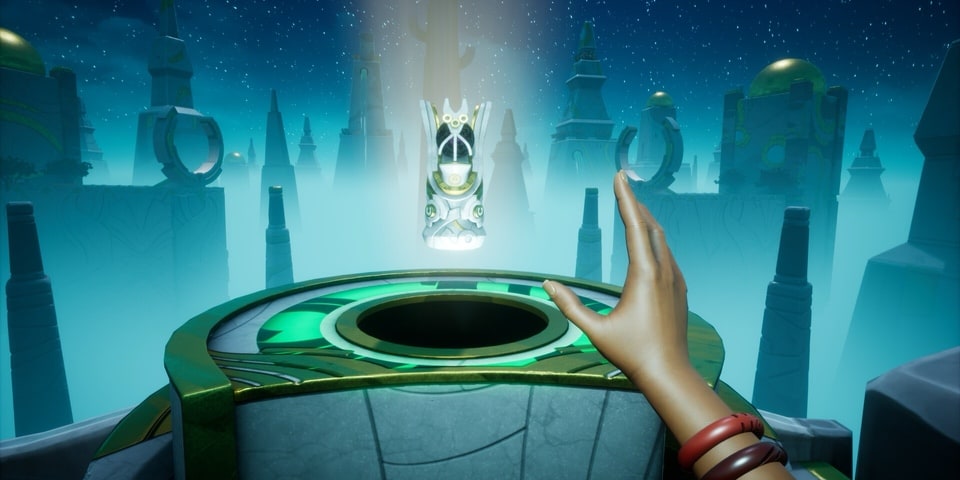
Harry, likewise, brings a curmudgeonly and irascible tone to the proceedings, with more than a nod to Indiana Jones in both his scholarly pursuits and his hatred of Nazis. The voice acting successfully conveys the complex mixture of grief and guilt he has at having lost his wife, whilst also being driven by a scholarly fascination with the ancient myths and technologies of the lost civilization behind all of the games’ events.
Gameplay mechanics continue on from the first game with a focus on first person exploration and intricate puzzle solving. These puzzles range from pattern recognition to more complicated riddles requiring multiple clues and cross referencing notes found around the environment. The default difficulty collects all of these hints in a clear and easily accessed journal that groups relevant clues together and helps point the way towards solutions. These hints don’t solve the puzzles for you at all, but you can access direct hints from the main menu if you get particularly stuck. There is a hard mode option that removes the journal and requires you to make your own notes if that is more your speed as well.
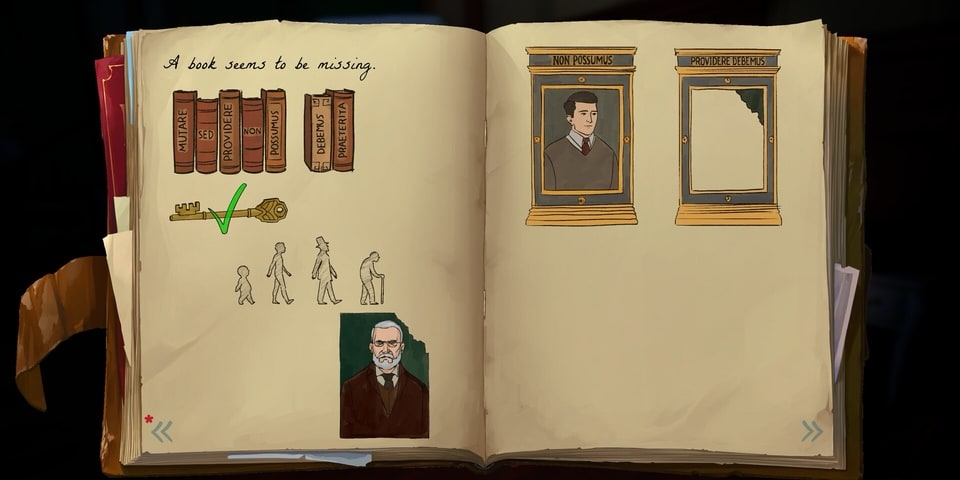
Most of the puzzles in Call of the Elder Gods are excellently designed, with solutions requiring a combination of carefully investigating the environment for visual or written clues and making logical conclusions from this information. There are also some classical logic style riddles ranging from a version of Tower of Hanoi to even working an Enigma decoding machine. At their best these puzzles are a real standout, but there are a couple that verge into the obscure, with one late game example not making sense even when I resorted to using the hints to finish the game. I’m not sure if this was due to a bug or human error, though, so will be keeping an eye on game feedback and patches.