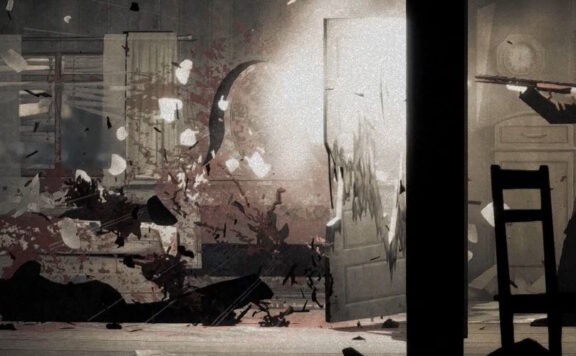
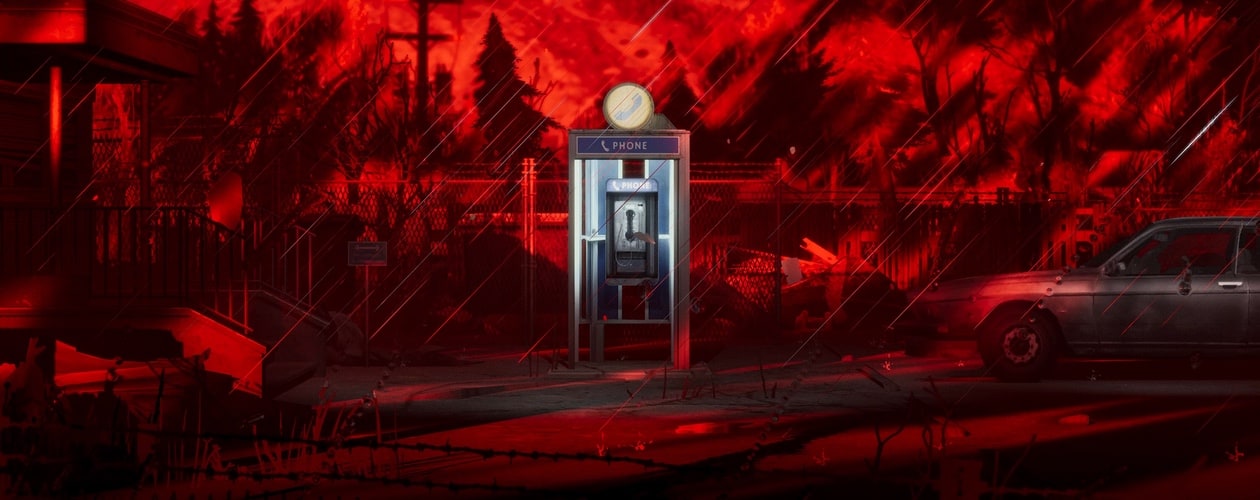

The autumn of 2026 is turning into a true golden age for fans of horror games. Hot on the heels of Silent Hill Townfall and releasing simultaneously alongside Hellraiser: Revival, Silent Pines brings an altogether more noir brand of horror to the table. At times, it feels like a fever dream fusion of Silent Hill with the surreal and unsettling world of Twin Peaks, with the gameplay to live up to these tonal inspirations. I started off expecting good things after enjoying the demo, but by the end, I was blown away by an almost-perfect 2.5D take on survival horror.
The noir aspects are apparent at the beginning of the game as your player character, private investigator Red Walker, wakes up in a mysterious and abandoned American town, only knowing that he must track down the musician Eddie Velvet to placate his enigmatic employer – a figure you only ever encounter via phone calls. What starts as a standard missing person case soon devolves into an atmospheric and surreal horror where the whole town becomes a source of danger and terror. As you venture deeper into the central mystery, you discover a story of loss, abduction, and hidden traumas.
Silver Pines is a striking game. Playing out in a cinematic letterbox aspect ratio, the monochromatic palette is complemented by splashes of vivid colour, with red in particular having special significance. This feels heavily influenced by both the save spots in Silent Hill 2 and the Red Rooms of Twin Peaks, but the result is a game that has a look and feel all its own. When combined with fabulous audio design and well-chosen musical moments, you have an aesthetic experience to be savoured. Voice acting is also very good throughout, with everybody channelling the mixture of sinister and ennui that characterises the town.

Gameplay can best be described as a mixture of classic survival horror and search adventure. The 2.5D perspective adds to the latter, but the perspective actually highlights how many similarities there are between these two genres. Whereas 3D survival horrors mostly focus on finding keys and using switches to open up new areas, Silver Pines adds in more direct navigation, with climbing and jumping as well as barriers requiring specific melee weapons to progress. The platforming is far from the fast-paced double jump style of many search adventures, though, as Walker is a very human protagonist. There’s a real sense of weight and inertia to his movement that fits in with the gritty tone of the game.
Combat is a big part of Silver Pines, with the usual mixture of melee and ranged weapons. You first pick up a simple revolver and a boxcutter that are effective against basic enemies, but are gradually replaced by more powerful alternatives. Ranged weapons follow the expected path of pistols, shotguns, rifles etc. with a late-game gun following traditional survival horror expectations. Melee is far more useful here than in many alternative titles, as a crowbar and even sledge hammer prove highly useful in both combat and exploration. The latter allows the world of Silver Pines to shine, with intricate layouts and shortcuts to uncover throughout.
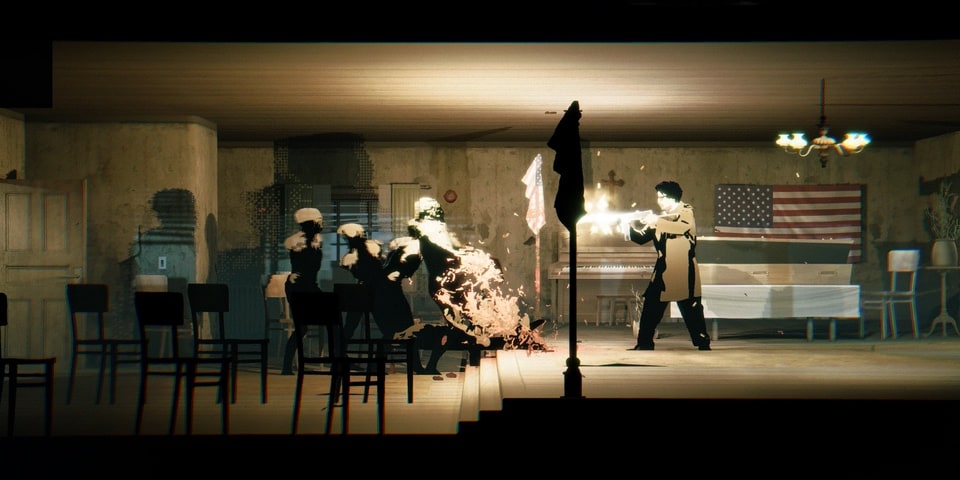
I played the first half of the game on the recommended Survival Horror difficulty mode, roughly equivalent to Hard, and it made for a very enjoyable challenge in terms of resource management and combat encounters. I did, however, switch down to Tense (Normal) in order to get through the game in time for the release. I’m looking forward to playing again for some of the collectables I missed, though with a better idea of when to use resources and when to dodge and run.
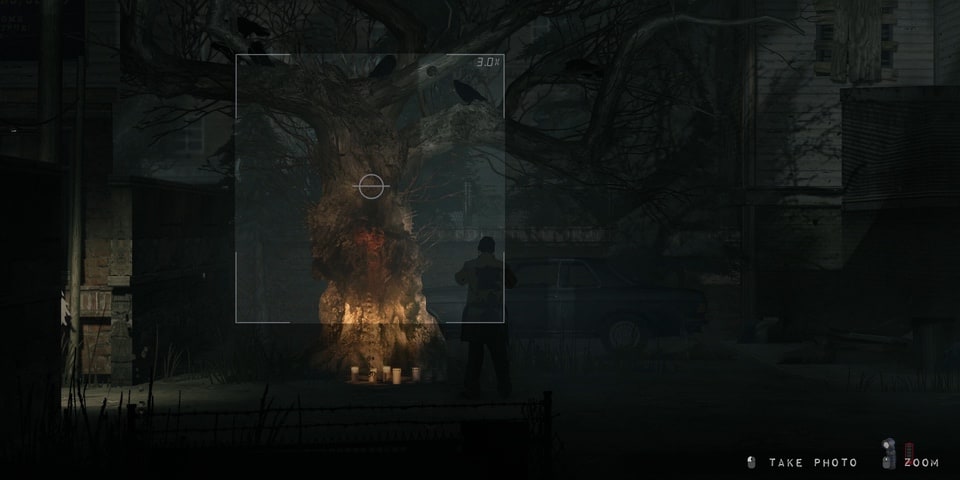
Exploration is aided by an excellent map that keeps track of blocked off areas, locked doors, and unsolved puzzles. You can find area maps in each location to fill in the gaps, and these prove invaluable in giving hints for hidden rooms. You can also take screenshots in-game with Walker’s camera to aid your memory, but I mostly relied on old-fashioned pen and paper. I usually take screenshots through Steam, but the game didn’t seem to like being Alt-tabbed and generally crashed after doing so – losing me quite a lot of progress at one point. I played on a mixture of Steam Deck and desktop, with the former having solid performance for the most part.
The puzzles you’ll encounter are a mixture of finding the relevant items and more involved logic riddles. The information you need will always be available either in the environment or through collectable notes, the latter of which may need to be carefully parsed to find the answers. I spent too long on a particular puzzle before realising the answer was in plain sight on one of the images I had already collected, read, and then forgotten. Likewise, I spent too long in the early game not realising how many climbable surfaces, breakable windows, and vents there were scattered around the map.