

When Nintendo’s Wii U launched in 2012, it exemplified Nintendo’s penchant for pushing the boundaries of console design over pure technological advancement. Whilst this was the Kyoto giant’s first HD console, it was the Wii U Gamepad that set it apart from its rivals, opting as it did with the Wii for a modestly powered machine with a unique interface.
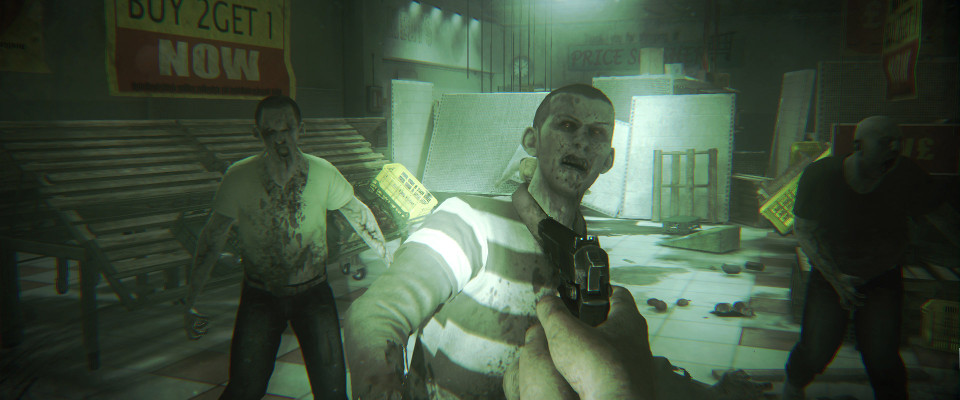
If you look at the technological trends of the last decade, with smartphones and tablets becoming essential household items, and indeed at the popularity of Nintendo’s own DS console, it made a huge amount of sense to create a home console with a touchscreen interface. Sadly, whilst we’ve seen some titles such as ZombiU and Affordable Space Adventures turn in experiences that couldn’t be recreated on other machines, the Gamepad has largely remained an untapped resource, being relegated to displaying maps or simply offering off-screen play when the main television is in use.
Now, with the looming presence of Nintendo’s NX home console on the horizon, it would seem that Nintendo are quietly putting the still youthful Wii U out to pasture, in response to the disappointing sales and now practically non-existent third party support. The delay of the next Zelda could points in that direction, as an ambitious looking open world game that may simply be beyond the Wii U’s abilities.
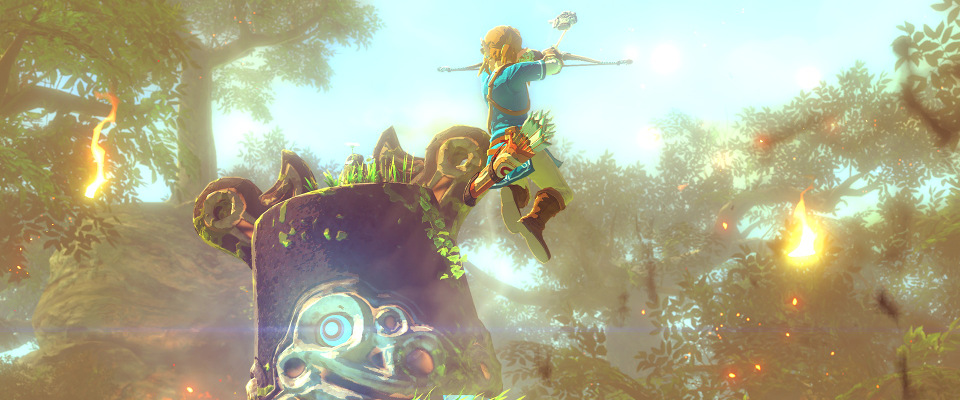
We’ve seen the Zelda series straddle generations before, with Nintendo choosing to hold back Twilight Princess in order to be both an outstanding game of the Gamecube’s – ahem – twighlight, as well as a major Wii launch title from one of their most popular franchises. Given the importance of the Zelda games, there’s a possibility that they could do this again, and while you can be certain that Nintendo will use the extra time to turn in an incredibly polished final product, they may be mindful that there are fewer and fewer reasons to try and drive sales of the Wii U at this stage. Launching an enhanced version of the title alongside the NX would ensure a very attractive starting point for early adopters, while a version for Wii U owners might provide a fitting send off for the console.
Nintendo’s third-party woes are hardly a new problem for the company, but with the Wii U it feels as though they’ve truly been hung out to dry. Early support from the likes of Ubisoft and EA soon withered when sales didn’t take off as they’d hoped, and Nintendo have taken to publishing external exclusives themselves, in order to shore up the release schedule. We know nothing of the NX, but it’s certain that architectural differences and lower processing power have been a factor in losing third party support, and while one could argue that you buy a Nintendo console purely for the exclusives, there’s a lot of strength to be found in providing parity with your rivals.
The recent leak involving a version of ZombiU apparently crossing over to PS4 and Xbox One appears to be a further nail in the coffin, and whilst the Wii U will still likely have the definitive version of the game – just as it does with Rayman Legends – most players will see little reason to pick up the console on that basis. Watching Ubisoft picking away at the carcass of their own releases speaks volumes to just how little they achieved with the unique console, and while it is again largely the Nintendo exclusives that have shone the brightest, the schedule has simply been too sparse to support an avid userbase, particularly after the multiplatform franchises like Assassin’s Creed and Call Of Duty stopped arriving.
Forgetting the third parties, a glance at the Wii U’s release schedule again seems to point towards a winding down of proceedings, with the majority of the forthcoming releases such as Xenoblade Chronicles X , Starfox Zero and Devil’s Third set for the second half of this year, and with little left for 2016. Nintendo’s disappointing showing at E3 also spoke volumes, and certainly won’t help in reversing the Wii U’s fortunes at this stage. It’s possible that those franchises fans are clamouring for, such as Metroid, will be in development for NX.
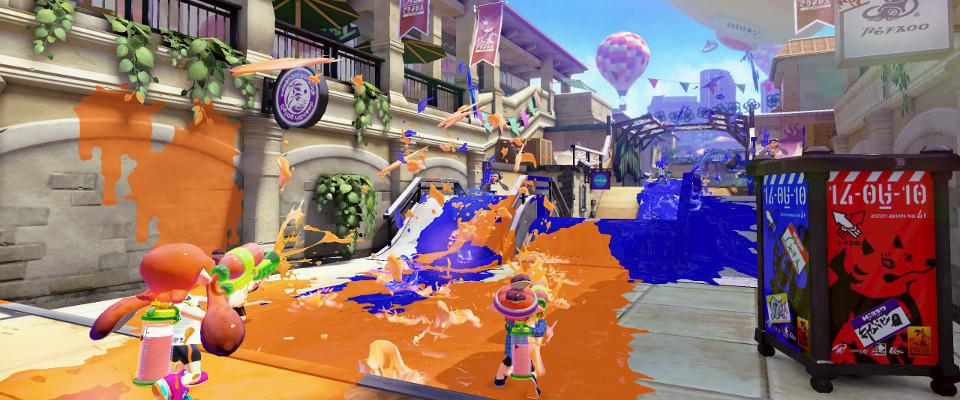
Yet there’s an argument to say that it’s far too early to give up on the Wii U. New IP’s such as Splatoon show that not only is it an incredibly capable machine, but it’s unique abilities marry perfectly with Nintendo’s attempts to push the boundaries of game design. While competitors repeatedly release unfinished games, Nintendo’s products are almost always stable, functional and polished, and the HD presentation of their worlds has been fantastic, despite the diminutive processing power at the Wii U’s core. It feels as though there must be more to be discovered with the Gamepad, but whether it can be uncovered in time is becoming increasingly less likely.
Of course, the alternative argument is that you have to know when to give up and start anew. The loss of the core gamer following the Wii’s success with the casual market was unlikely to be turned around by a console that sported the same name; especially one that had become synonymous with shovel-ware and mini games in its later years. The lack of processing power, and a control scheme that requires genuine thought in order to make the best use of it made it less attractive to developers whose relationship with Nintendo had soured many years before.
The Nintendo Network also remains a missed opportunity, and despite the wonderful scribblings of Miiverse and a few titles with solid online infrastructures, it’s still leagues behind Playstation Network and Xbox Live. The NX must meet the expectations of modern gamers, from party chat to trophies, without the hand holding of decisions being made for us. As far as the Wii U is concerned, it will remain an aspect that Nintendo toyed with, rather than answered. The shuttering of Nintendo Club to make way for a new membership scheme points towards progress, and indeed to what may be the underpinnings of Nintendo’s future in this arena.
While the Wii U’s library houses some incredible pieces of software, from Super Mario 3D World and Splatoon to Bayonetta 2 and Mario Kart 8, there’s now the very real risk that these games will effectively be marooned on this console. Nintendo’s penchant for re-releasing classic games via the Virtual Console and featuring backward compatibility could be brought to an end in the Wii U’s case, if the NX doesn’t contain the necessary hardware to support the Gamepad’s unique capabilities. It’s certainly not in the same league as the Virtual Boy in terms of the system’s failures or how drastically different it works, but this might be necessary for Nintendo to move forward.
Ultimately, and it’s oft-forgotten given the company’s bright and playful demeanour, Nintendo are in business to make money. They have investors and shareholders who want to see results and whose pressure is most likely behind the deal with deNA to bring Nintendo franchises to smartphones and tablets, not to mention the very lucrative amiibo figures. That same pressure applies to console sales performance and unfortunately, with sales yet to reach ten million, the Wii U just hasn’t achieved anything like what they’d have been hoping for.
Those shareholders will be looking for the next opportunity, and it’s likely that the premature retirement of the Wii U will be a necessary evil so that the company can move onto their next project. The question is, will players and developers forgive them their apparent mis-steps with the console, or is their status now too firmly ingrained? One would hope that Nintendo will once again find a way to marry innovation, technological prowess and meaningful exclusives into another success, but if not, what we’ve learnt from the Wii U is that there will at least be some amazing games along the way.


SamBeThyName
The Wii U didn’t come out with enough fanfair, the Wii use base was everyone from gamers to granny’s and people just didn’t know it was coming out. It seems that whichever company has is the most popular console gets a big head and screws up their next iteration. PS2 – PS3, Wii – Wii U, 360 – One
Deathbrin
Well said.:)
Dominic Leighton
I guess riding the wave of popularity makes your competitors work harder, and you expect to repeat the same success despite that increased competition.