
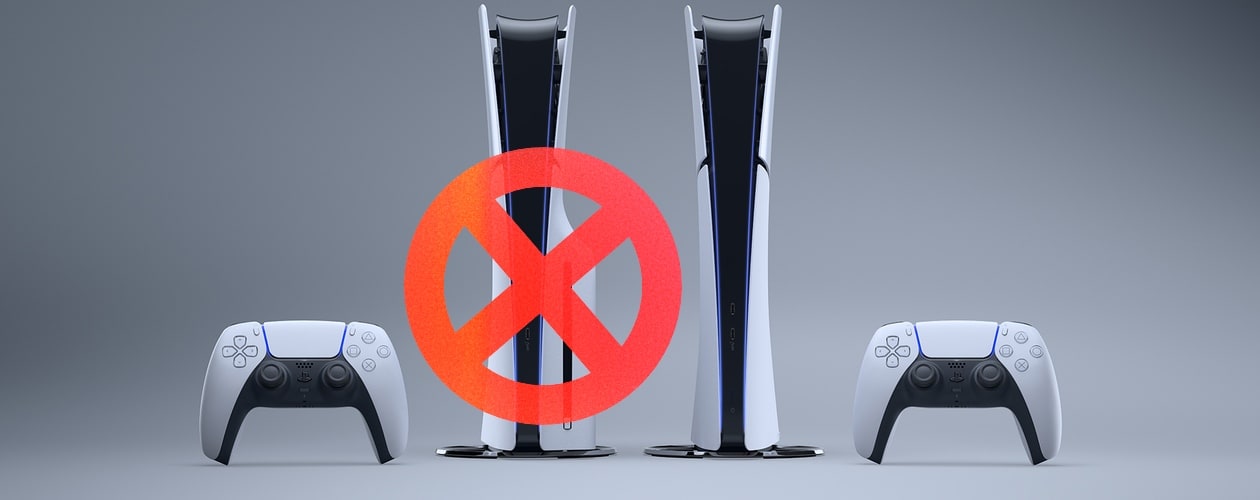

In 2012, I moved to a new flat in London and had to carry over 4,000 CDs, 2,000 12” vinyl records, and hundreds of Blu-rays up three flights of stairs. That single experience helped me make the decision to go digital, and now when I go out DJ-ing I slip a USB drive in my pocket rather than lug a heavy record box around.
For most people, and we know it’s around 85% of PlayStation gamers, digital copies of video games have become the more convenient default, just as it is for me to carry thousands of tracks in my pocket rather than lugging a heavy record box with at most a couple hundred songs in it. So why are there so many opinion pieces and reports pushing back on Sony’s decision to stop producing game discs?
The simple fact is that you, by reading this, are in a fairly small bubble of people who actively engage with news for video games, and those people are usually the mega fans. The vast majority of gamers won’t be reading TSA, Eurogamer, Gamespot or anywhere else.
Music is now overwhelmingly digital and, in fact, most people don’t even buy and download singles and albums anymore, they just stream it from Spotify or Apple Music. The shift in film viewership has also dramatically changed, and in addition to the decline of actual theatre releases and moviegoers since the pandemic, now over 90% of all purchases and movie watching at home is digital as well. Blu-ray sales have steadily declined over the last ten years, with the notable exceptions of 4K discs and collectors’ editions.
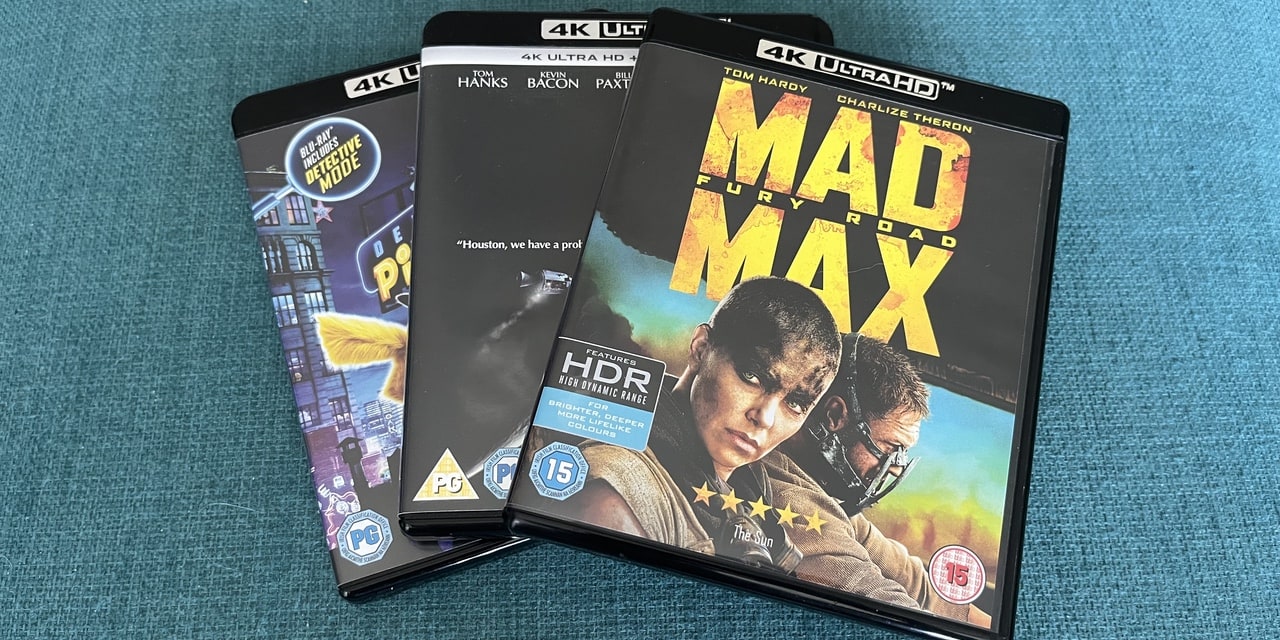
4K UHD discs give the best quality, but do people care when watching films?
Everywhere you look, entertainment is now purchased and consumed digitally by the vast majority of people.
“But I want to own the game” has been a popular comeback following Sony’s decision, but from a legal standpoint, it’s not entirely certain that you ever did own games you bought. Read the small print on a video game and trawl through the EULA and you will see that even though you have a disc and a box, Sony, Microsoft, EA and all the rest would say that you’ve still only acquired a license to play it. In the days before always online games with the ticking clock before server shutdowns, there were complaints and scuffles about DRM on discs, disc checks on PC, and more rudimentary copy protection with colourful grids and images in manuals, and so much more. These were the publisher’s defences to say that, since you have paid for a single license, you only have access to one.
“Ah, but if I own the disc, I can play it any time!” is the common retort, and it’s partially true. Discs are laced with encryption to restrict what you can do with them, to try and ensure that your PS4 disc can only be read by a PlayStation console, and while there are carveouts in laws to allow for backing up your media, Nintendo Switch 2 consoles were being remotely bricked last summer as people inserted their game-stuffed flash carts.
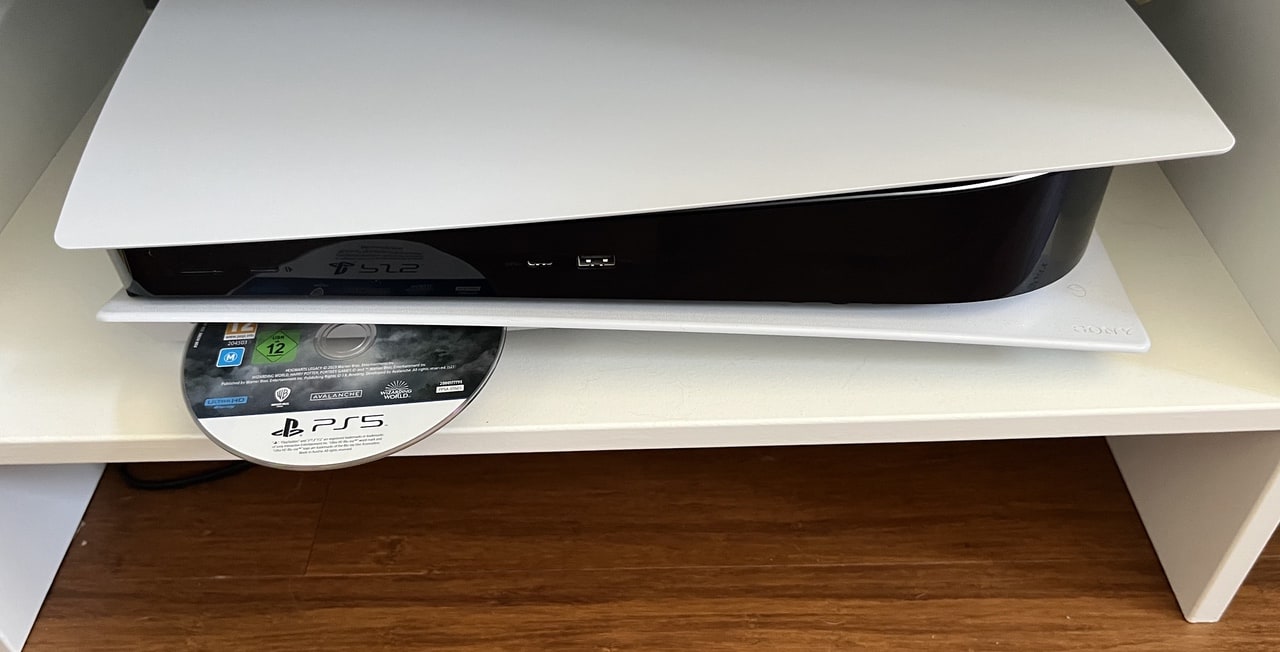
When was the last time you saw the cheeky tongue poke of console ejecting a disc?
We’re also so far beyond the point that a disc can be trusted to feature a playable game on board. Some will have all the data you need to play, but many also require a download. There’s games out there, like a Call of Duty, where they might not even fit on the 128GB BDXL discs that Sony uses, and definitely not on the standard 50GB Blu-rays that Microsoft has cheaped out on. Even if there’s something playable, some games ship with a bug-filled, half-arsed version of the game. I remember playing The Evil Within for review before the day one patch and it was an absolute mess that barely worked. The game on the disc is rarely the final ‘day one’ version of the game. Sometimes there’s not even a game on the disc, just a digital key to start a download.
Of course, having a physical disc or cartridge does give you more flexibility. EULAs might have language to forbid it, but they can’t actually overcome the laws that give you the right to resell your games, while there are various game rental services that are now threatened, including the game collections that local libraries can have available to borrow. There’s also just being able to lend your game to a friend, where it’s far, far easier to just hand over a disc or cartridge than to jump through the Switch 2’s two week loaning period, set up Steam Families or live in the fuzzy grey area of using Home Console activations on PlayStation and Xbox.
People have voted with their wallets. Yes, gamers have kicked up a fuss at various points, but then they’ve bought in to every single change anyway. How many years have people complained about Day One DLC, pre-order early access, paid cosmetics, battle passes, paid multiplayer on consoles, publisher-specific accounts, needing to use the cloud to backup your saves, and on and on. Maybe we’re just a bunch of lobotomised frogs in a pot of boiling water, maybe we’ve been manipulated over time by nefarious marketing, but gamers have spent the past 20 years buying and playing more and more digital games.
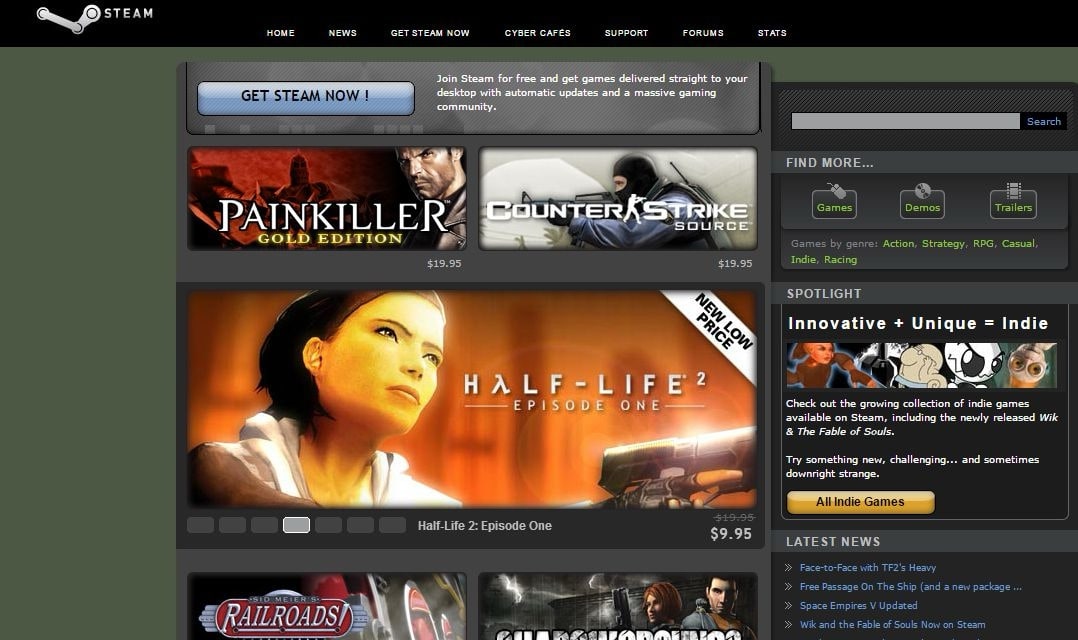
People didn’t always love Steam.
PC gamers have already been through all of this with Steam. It was utterly despised when it was required for Half-Life 2 back in 2004, but it hastened the death of physical game sales on Windows within a decade. And you know what? People love it now, having vast libraries of digital games (all of which need you to log into Steam to play) and turning their nose up at the competition.
Eurogamer’s opinion piece had the headline “Sony kills game ownership and says it’s all your fault”, implying that we, the consumers, have allowed this to happen.
The hard truth is that, even if we’ve grumbled along the way, we did.
The harder truth is that most people simply won’t care.


tactical20
Surprised it’s taken this long tbh!
Also, I’m moving house soon and have 8000+ 12″ records to shift. I’m absolutely dreading it.
camdaz
When the PS5 came out I was fully for physical discs and thought I would always buy games that way. It’s now been over two years since I bought a physical copy of a game and I think Sony is right to go down the digital only route.