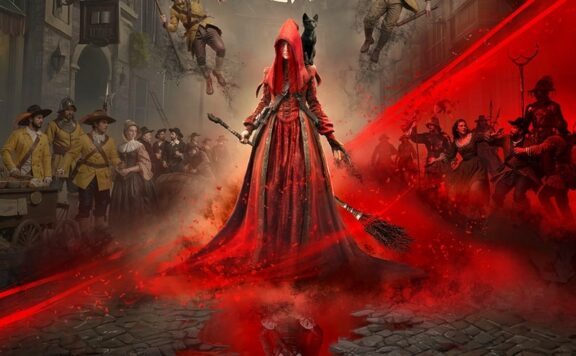


It’s fair to say that the 1666: Amsterdam prologue released earlier this summer did not give the best first impression to many. Instead of being a demo of the historical open world and the kinds of Assassin’s Creed adjacent gameplay everyone was expecting from that series’ original Creative Director, the prologue was really just that. It was a narrative catalyst, introducing our two leads and setting them on their journey together. With an early access launch now set for later this month, and having gone hands on with a pre-release build of this we now have a much better understanding of exactly what this game is.
Picking up right where the prologue ended, Noa and Aaron find themselves right in the thick of it, as soldiers burst into the clearing that the Zaindaris coven were using for Noa’s commencement ritual. While the other witches try to fend off the main soldiers, Noa is told to flee by her superiors, her overarching mission far more important.
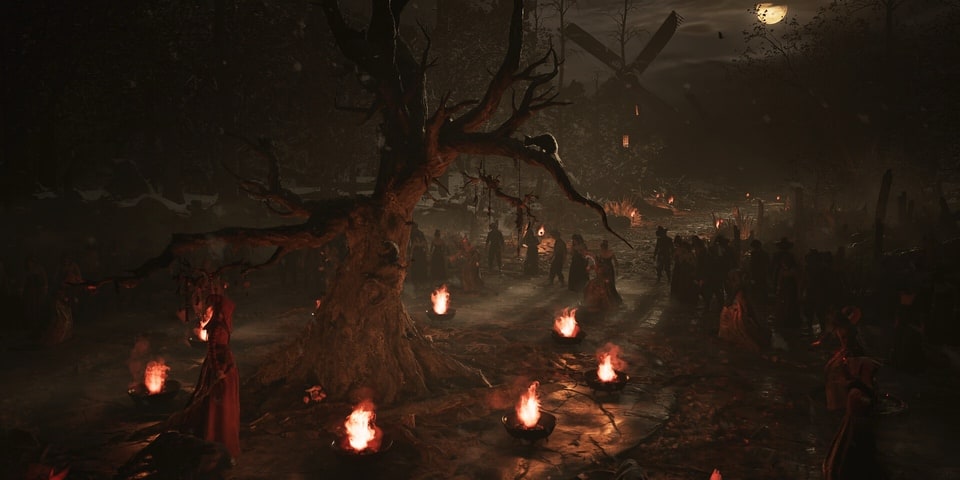
And what mission is that? Well, Noa is now the Collector, tasked with gathering the powerful magic known as Nux from the mysterious Originals who wield it. She is, essentially, a debt collector, but it’s for deals struck with the devil three hundred years ago, and with debtors who really would rather that they can continue to live their Nux-corrupted lives and have done what they can to obscure their identities.
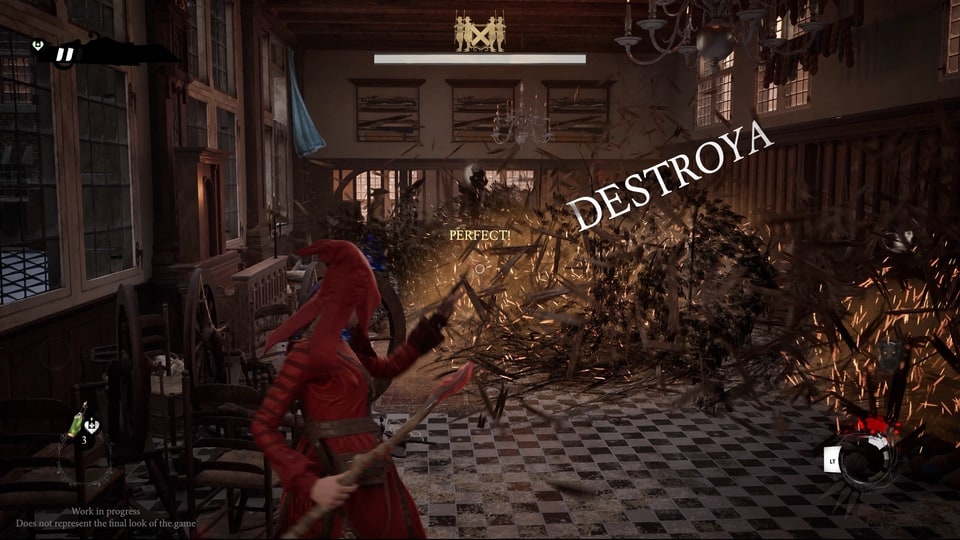
But first, Noa must escape, battling a few waves of enemies and then flying across the river until she reaches the city centre. Combat against the soldiers is simple and limited, built around a basic dodge and single attack button. Noa has just a single attack string, accented with a finishing move, and even within the first few encounters, I’m keen for this to become much broader and feature magical and extended abilities. The most distinctive element is that you’re really just fighting until you can force them to give in. Once out in the open setting of Amsterdam, with crowds of people around and witch hunting very much in fashion, absolutely battering guards that accost you will see them and public bystanders all cowed into submission for a time, allowing you to simply walk away and get on with what you were doing.
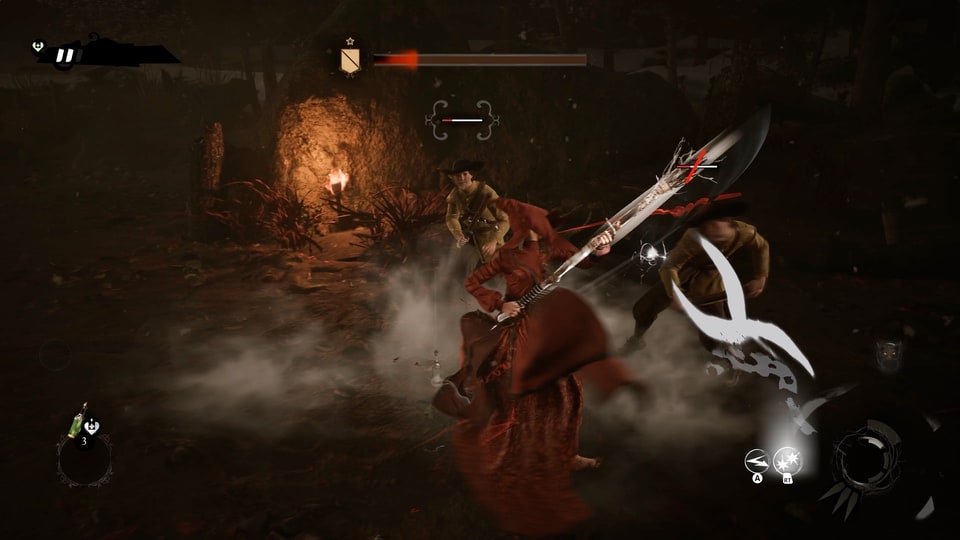
The city streets are still bustling with life, the patrons of a bar still partying as Noa emerges onto one of the many bridges crossing the many canals of Amsterdam. She is able to blend in as a rather demure looking apothecary’s apprentice – albeit now with an almighty cat scratch scarring her face – but can transform herself in an instance into her Zaindaris garb, immediately standing out with a large and intimidating red dress, and the Nux-powered Heeparan protrustion from her hand.
Patrice Désilets is absolutely playing to type, both with the Heeparan being reminiscent of an assassin’s hidden wrist blade, and for leaning once more upon multiple timelines and characters crossing periods. Noa is from 1666, but her black cat familiar, Aaron, is actually from 1999, and this whole story is framed through Aaron’s daughter reading his letters decades later. Aaron’s consciousness has been transported back to 1666 after (as his daughter should really be much more grossed out by) engaging in a sexy ritual with her Zaindaris mother in December 1999.
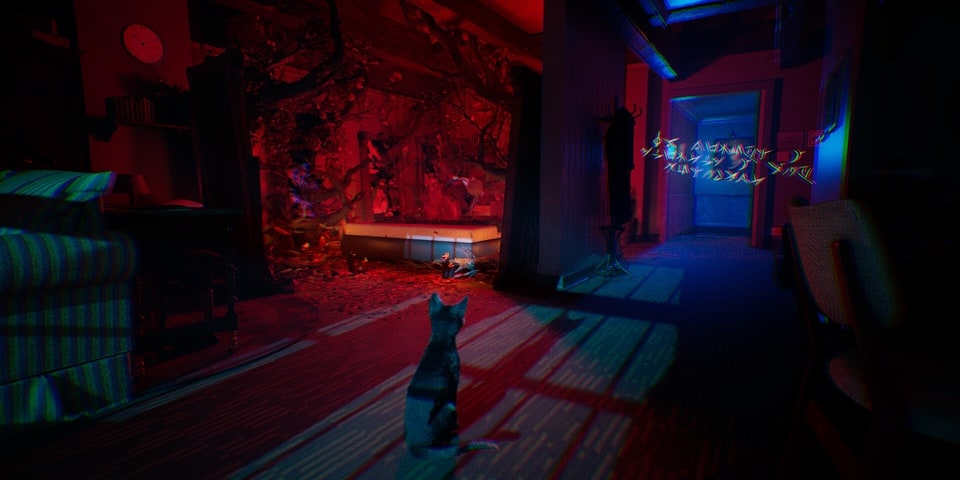
How it’s useful to have a 1999 man’s mind in a 1666 cat is a little lost on me, but having a human mind in a cat certainly is. Faced with a locked door, you’re able to switch to controlling Aaron, sauntering like only a cat can through the throngs of revellers in the nearby pub and finding a path up to the roof, around to the back, down and into the house Noa needs to enter. Once inside, Noa is able to find one of the Originals, one who is actually allied with the Zaindaris and is willing and accepting that the end of his time is here. That doesn’t mean that he will actually go peacefully, though. The Nux that resides within him, the corrupting ichor has an almost demonic presence of its own, morphing into a much larger beast that Noa needs to battle.
Other Originals won’t be quite so easy to find, though. With their identities hidden, you will need to track them down month-by-month, searching for key symbols around the city, finding where they work and live, and figuring out their original name – a classic feature of magical fiction.
There’s a really interesting structure to this, a blend of freeform ideas that lean into both the open world and current gaming tropes. Naturally you have varying approaches to getting around the world as both Noa and Aaron, but these are shaped semi-randomly through the way that you gain new skills, choosing from a selection of three each time that you find one, and therefore having different abilities and strengths for the continuing adventure. In a hands off demo following our hands on time, Patrice quickly gained the ability to teleport Noa up to rooftops, for example, levitate enemies, which can shove them roughly into ceilings when indoors, and much more. But if Noa is caught, falls in battle, then she’ll get sent to jail and the women’s workhouses, emerging without the skills gained on the previous effort and needing to try again. It’s a light touch of the roguelite, which is currently so in vogue.
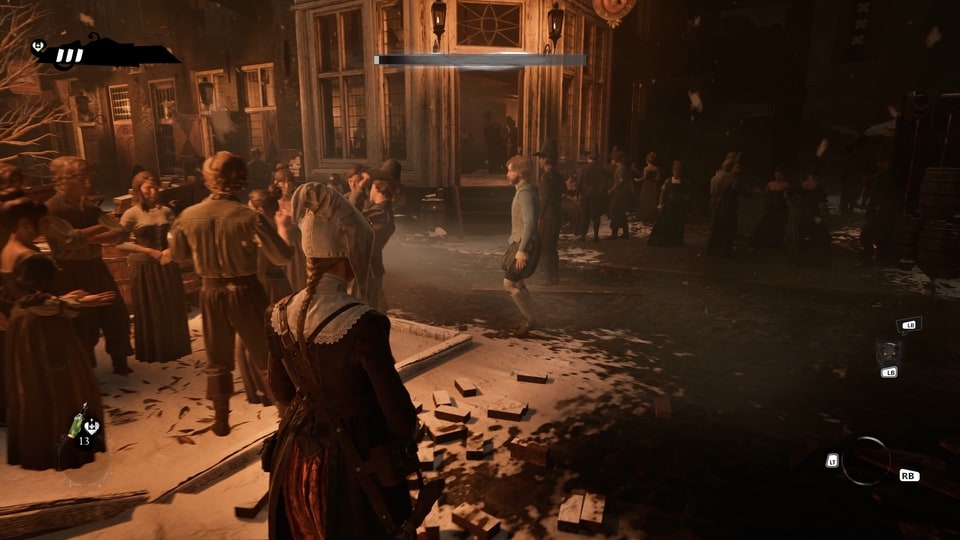
It’s high time that we talk about expectations for 1666: Amsterdam. It might be from the mind that really pioneered open world era of gaming that we’ve been in for the past two decades, but this is a very different scale of production to what a Ubisoft can produce. 1666: Amsterdam will launch first into Early Access, and will grow from there, initially giving the first couple of chapters from the game, the first district of the realistically recreated city, and freedom to explore. You have as long as you like during the day to explore, gather evidence and power up before you confront each Original.
However Patrice talked about an acceptance of a bit of messiness to the game Panache are creating. Others might brand it as ‘jank’, but what it boils down to is that controlling Aaron is both freeing and fussy, the ability to leap around being partly determined by the level designers, and a step away from the kinds of fluid cat motion we’ve seen in some other games. Similarly, while there are large crowds of people, Noa will clip through them as you walk around. I noticed it immediately, but after a while, only the most blatant instances would really cut through to me and the instinct is still to walk around and follow the natural paths through the world.
And yes, Panache has been using generative AI while creating this game in a certain capacity, and the build of the game that we played featured AI line readings. I do wonder if, given the backlash and negativity that so many games face for using AI, developers will become more cautious over its use. It’s nigh on inevitable that developers will continue to use AI for placeholders – just as the still widely praised and beloved Clair Obscure: Expedition 33 was admitted to have done – but the risk for 1666: Amsterdam is that launching into Early Access will leave more of this on show for longer. We’d prefer no AI is used, of course, and this could be a dealbreaker for you.
But there’s also an intriguing promise to 1666: Amsterdam that is undeniable. Though there’s naturally parallels, this isn’t just a witchy Assassin’s Creed, there’s more of an investigative style to finding the Originals, and switching to play as Aaron provides a twin perspective and way to get around. There’s also cuts and compromises that a Ubisoft or Activision wouldn’t make, but they’re ones that make sense to me given the scope of what he’s trying to create. So long as Panache strike the right balance over AI use and can flex and grow this game taking player feedback on board, this could be a great new historical adventure to follow through the years.
Panache Digital Games hosted us in Amsterdam, paying for travel and accommodation, for this exclusive hands on preview event.