There are some games where you can see the monster coming and still make the stupid decision to keep moving forward. Alien: Isolation 2 is one of those games.
My Gamescom demo of Creative Assembly’s long-awaited sequel was extremely short. In fact, it was over pretty much as soon as things started getting interesting, but maybe that was the point. Rather than giving us a huge chunk of the game and revealing everything Creative Assembly has been working on for the past decade, this was a brief introduction to the new setting, the new protagonist and, most importantly, the new Xenomorph-shaped problem that is going to be ruining our lives all over again.
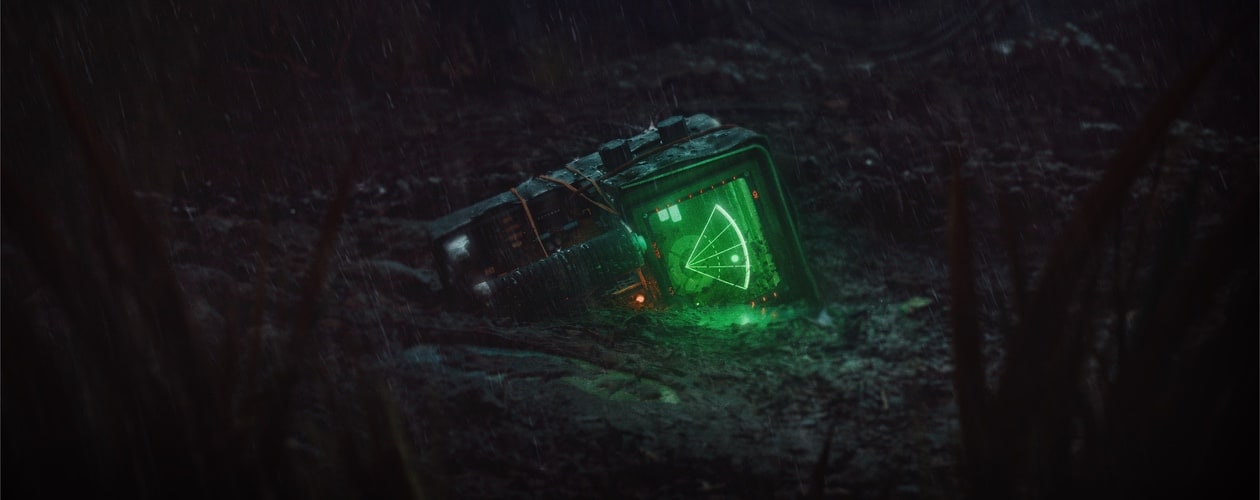
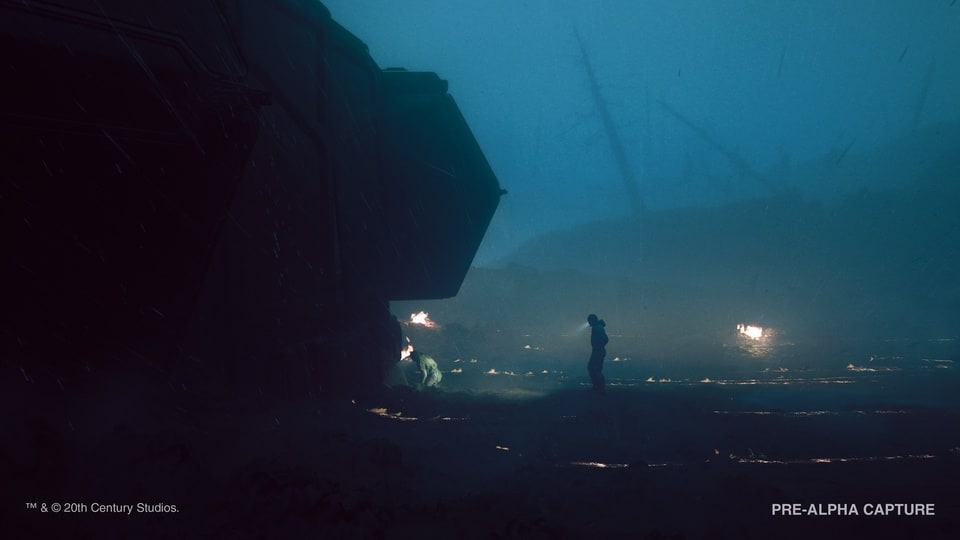
The demo begins with Blake, the new protagonist, arriving on the remote colony planet of Kurosaki. She’s part of a Weyland-Yutani team investigating a crashed ship, and after making our way across the stormy surface, we eventually reach the wreckage.
It’s immediately different tonally from the original Alien: Isolation. The first game trapped Amanda Ripley aboard the Sevastopol, creating a gigantic industrial maze of corridors, vents and rooms in which the Xenomorph could hunt you. This time, Creative Assembly is opening things up. There are exterior environments, hostile weather and an entire planet to explore. At least, that’s what we’re being promised – this prologue only gives a small taste of that wider world before heading inside the crashed vessel.
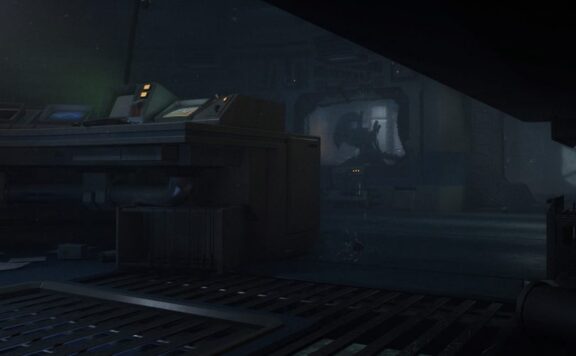
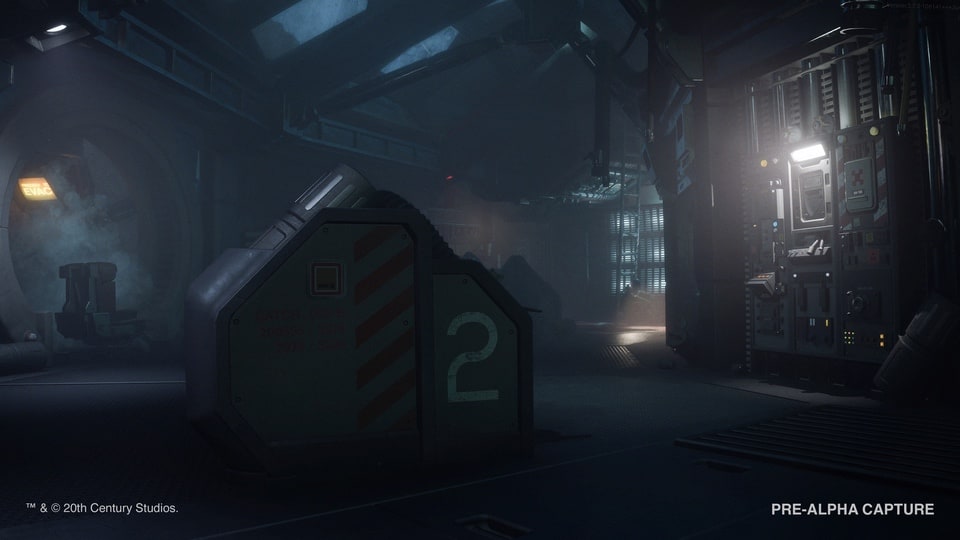
Once aboard, the objective is relatively straightforward: search the ship and salvage anything useful. The atmosphere is immediately familiar. There’s that unmistakable industrial design, the battered technology and the sense that everything around you is either broken, about to break or probably contains something that would very much like to eat you.
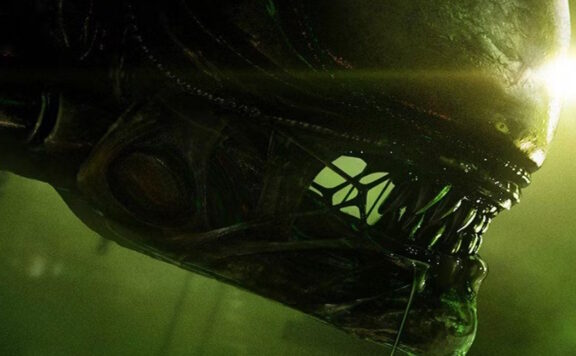
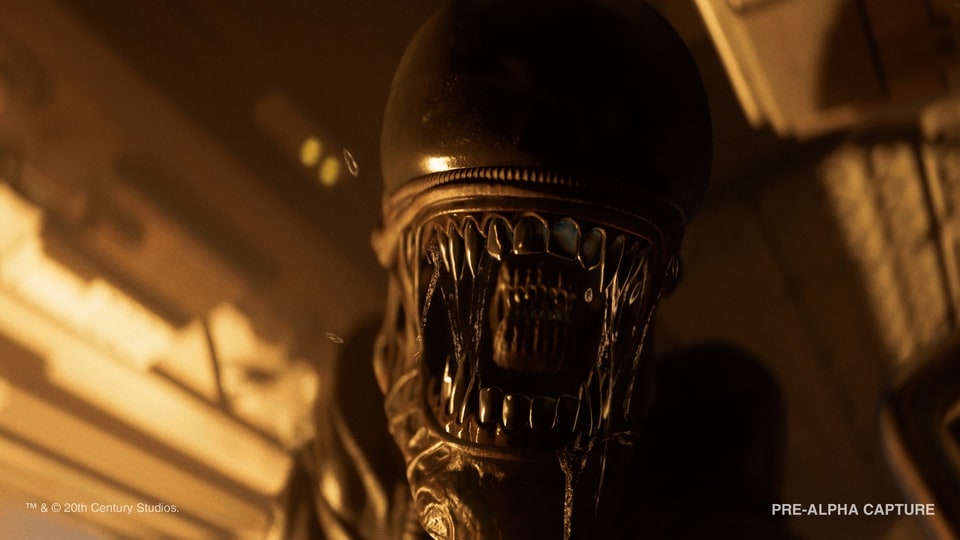
I started searching through the wreckage, looking for anything that might be useful. Then the Alien appeared, and suddenly the objective wasn’t salvage anymore. It was ‘get the hell out of here’.
This is where Alien: Isolation 2 immediately reminded me why the original game was so effective. The Xenomorph doesn’t need to be constantly attacking you to create tension. Its presence alone changes how you approach the environment, making every corridor feel like a potential death trap.
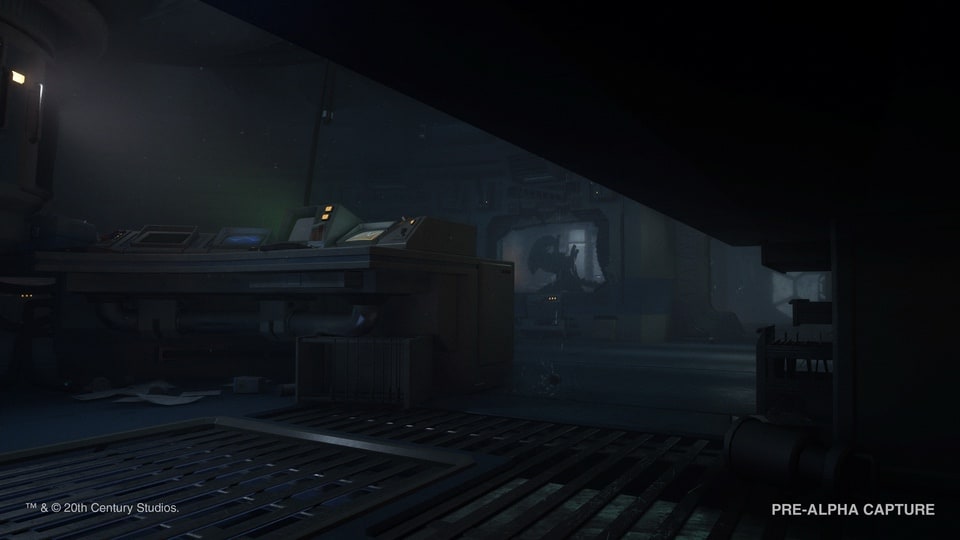
Every sound makes you wonder whether it’s coming from the creature or something completely harmless. And every second you spend standing still is another second in which the Alien might be getting closer. My task was to escape the ship and make my way back towards the entrance. I had to move carefully, listening for the creature and trying to work out when it was safe to make my next move.
I died once – considering this was Alien: Isolation, I’ll happily take as a victory – but managed to escape on my second attempt, managing to reach the ladder at the entrance and the end of the demo.
I know what you’re thinking: “Nick, you’ve just spent several hundred words telling us that you climbed a ladder?” And yes, that’s technically true, but there’s something worth saying about a demo this short. Creative Assembly isn’t trying to convince us that Alien: Isolation 2 is going to reinvent survival horror. Instead, it’s demonstrating that it understands exactly why the first game worked.
The original Alien: Isolation is still regarded as one of the strongest survival-horror games of its generation, largely because of how it made the Xenomorph feel like a genuine predator rather than a traditional video game enemy. Creative Assembly is clearly looking to build on that foundation rather than abandon it.
The sequel’s most significant change is likely the setting. We’re no longer restricted to the interior of a space station. Kurosaki provides an entire planet, and the developer has talked about creating a “survival sandbox” that combines exterior and interior spaces. That could completely change the way the Alien hunts you.
The team has also promised an “evolved” Isolation experience, with a smarter Alien, harsher environments and an even slimmer chance of survival. Exactly how much smarter that Xenomorph is remains something Creative Assembly is keeping close to its chest, and this prologue scenario certainly wasn’t long enough to properly test that.
What I did get was enough to confirm that the fundamentals remain intact. You don’t want to fight the Alien. You don’t want to attract its attention. You don’t want to hang around any longer than necessary. And most importantly, you really don’t want to hear that unmistakable noise coming from somewhere nearby.
There’s also an interesting narrative setup here. Blake isn’t Amanda Ripley, and this isn’t simply another chapter in Amanda’s story. Instead, we’re getting a new protagonist and a new perspective on the Alien universe, with Blake working for Weyland-Yutani.
That last part is particularly interesting. Weyland-Yutani has never exactly been portrayed as the organisation you want to invite round for dinner, so putting us in the shoes of somebody working for the company gives Creative Assembly an opportunity to explore a very different side of the Alien universe.
The story is also closely connected to the original Alien: Isolation, taking place just months after the events of that game. Creative Assembly has made it clear that it remains heavily inspired by Ridley Scott’s 1979 Alien rather than attempting to incorporate ideas from the more recent films, and that’s probably the right approach.
Alien: Isolation understood the visual language of that first film better than almost any Alien game before it, and what I’ve seen of the sequel suggests that Creative Assembly hasn’t suddenly decided it needs to turn this into an action game. The moment you give me a flamethrower and tell me to go hunting Xenomorphs, you’ve fundamentally misunderstood the appeal of Alien: Isolation. I want to be scared. I want to hear something moving through the ceiling and immediately question every decision that brought me to that particular corridor. I want to hide. I want to escape.
Based on this tiny slice of Alien: Isolation 2, Creative Assembly still understands that.