


Our younger readers may not know who Sir Clive Sinclair is but it’s not an exaggeration to say he is the father of the British video games industry. He was writing books and inventing kits for radios while in his teens and in February 1980 he launched the UK’s first affordable home computer, the ZX80. It cost £79.95 in kit form or £99.95 ready-built and was a huge hit. A second computer, the ZX81 followed.

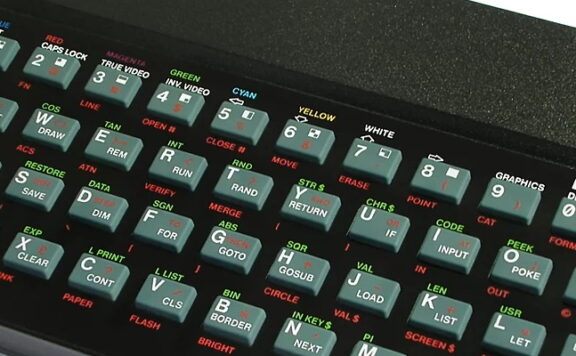
However, it was the invention of the ZX Spectrum that caught the public’s attention. The computer cost £175 for the 48K version – yes that’s 48K , not MB or GB – and was one of the first home PCs to output a display in colour. It also came with a built in version of the BASIC programming language, giving youngsters the ability to code at home. The Speccy, as it was known, fought what we would consider the first ever ‘console war’ against the mighty Commodore 64 which had superior sound and did not suffer from ‘colour clash’. Ask your dad about that one.
With an army of bedroom coders the video game market exploded. Back in the 1980s it was very common for just one person to code an entire game, including graphics and sound, and many of the classic titles from that era are the work of one individual. The likes of Codemasters were born, while mega publisher Ocean churned out hit games for home computers, licensing the big films of the time and squeezing them in to the Spectrum. Ocean eventually merged with French publisher Infogrames who in turn were bought out by Bandai Namco.
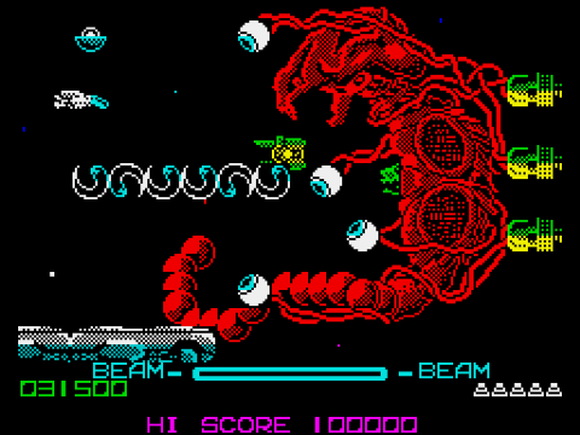
At the time arcade cabinet games were far more advanced but that didn’t stop coders having a go at porting their colourful graphics and stereo sound in to the Speccy. Hits such as Operation Wolf, Star Wars, Street Fighter, Rainbow Islands and my personal favourite, R-Type, were all squeezed in to 48k.
The ZX Spectrum went through a number of revisions, including a boost to a massive 128K and finally, the addition of a disc drive in the ZX Spectrum +3. However, times were moving fast and the advent of the 16-bit computers such as the Commodore Amiga and Atari ST meant the ZX Spectrum was fading and eventually the brand was sold to an upcoming business entrepreneur named Alan Sugar.
Sir Clive’s daughter, Belinda, confirmed the news he had passed away on Thursday having fought cancer for almost a decade. Check out the BBC interview with the legend below.

MrYd
£175 in 1982 for a 48k Spectrum sounds cheap. But that’s about £650 in todays money. About the price of a PS5 if you don’t time your purchase right and have to resort to CeX or somewhere.
Although the PS5 can put out 168.75 times as many pixels. (4K compared to 256×192 pixels)
The dreaded “colour clash” was a side effect of a somewhat ingenious solution. With 4-bit colour, those 256×192 pixels would have needed 24KB of memory. With the way the Spectrum handled it, it needed just 6.75KB. Probably saved the need for an extra 16KB of memory. Maybe £50 saved? £180 in todays money?
Clearly a very clever man with some clever people working with him. And didn’t have anyone telling him some of his ideas were a bit silly. Which was probably a good thing. Or a bad thing. Or a bit of both.
Just look on Twitter and see who’s saying nice things about him today if you want to know how important he was. And some examples of the horrible screeching sound loading games from tape made. (A noise weirdly used in Star Trek 4. The one with the whales)
TSBonyman
RIP Sir Clive Sinclair – the ZX81 was my introduction to home computers, programming and video games!
hornet1990
Was a C64 man myself but my best mate had a 48k and later a +3 (integrated disk drive) so we spent many happy hours playing titles like chase h.q, renegade, robocop and many others. RIP Sir Clive and thanks for all the memories!
rapidly-greying
Rest in peace Sir Clive, you made my miserable childhood that bit more bareable.