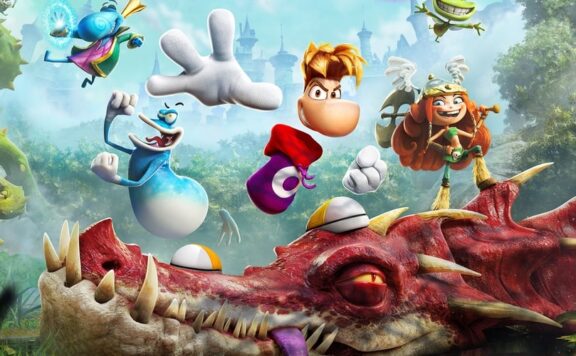
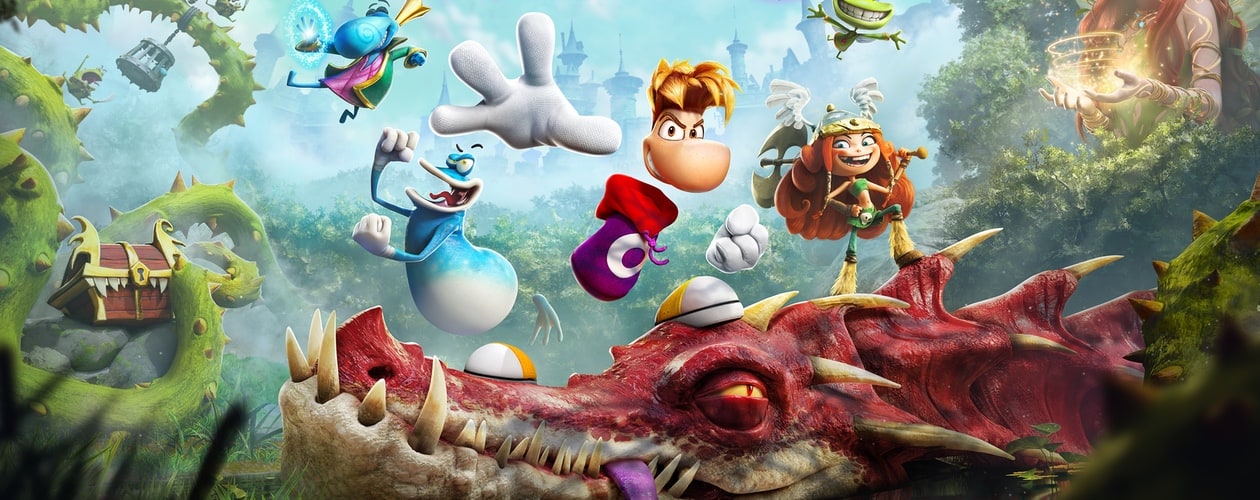
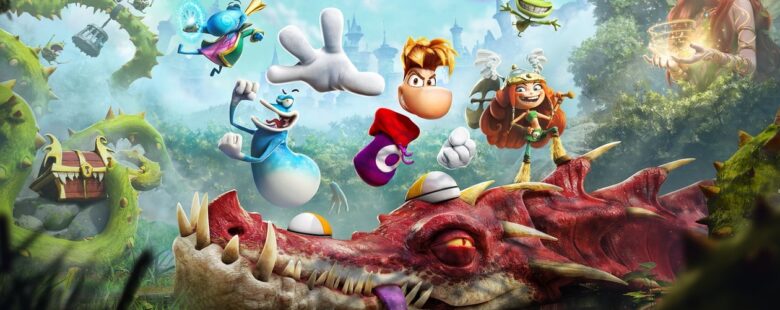
The limb-less, helicopter-haired wonder is being woken from his slumber once more, the Bubble Dreamer waking Rayman, Globox and friends up as the Glade of Dreams has been plunged into crisis. Stop me if you’ve heard this story before… and you probably have, because this isn’t just a familiar-sounding premise, this is Rayman Legends Retold.
A lot of us are desperate to return to simpler times, whether it’s idolising the ‘end of history’ that was felt through the 1990s, the pre-iPhone internet (and pre-housing market crash) of the mid-2000s, or the very specific sense of optimism the UK felt around the 2012 Olympics. For Ubisoft, it’s 2013. They really, really want to be 2013 Ubisoft again, as they were still riding high at the end of the PS3 and Xbox 360 generation and the PS4 and Xbox One were still filled with boundless potential. The last few years just haven’t hit the same, but it’s OK, because 2026 is like flicking TV channels and finding an old favourite film is playing, and Ubisoft are about to release Assassin’s Creed Black Flag Resynced this summer and Rayman Legends Retold this autumn.
Of the two, it’s fair to say that Black Flag Resynced is the more obvious game to remake, given the jump in graphics you can see from the 2013 cross-gen period to the mid-late portion of this current generation. Rayman Legends, on the other hand, still looks great, having been created in the UbiArt Framework engine that uses animated 2D vector artwork, and it still plays beautifully. It leaves me in two minds about the need for and appeal of Rayman Legends Retold.
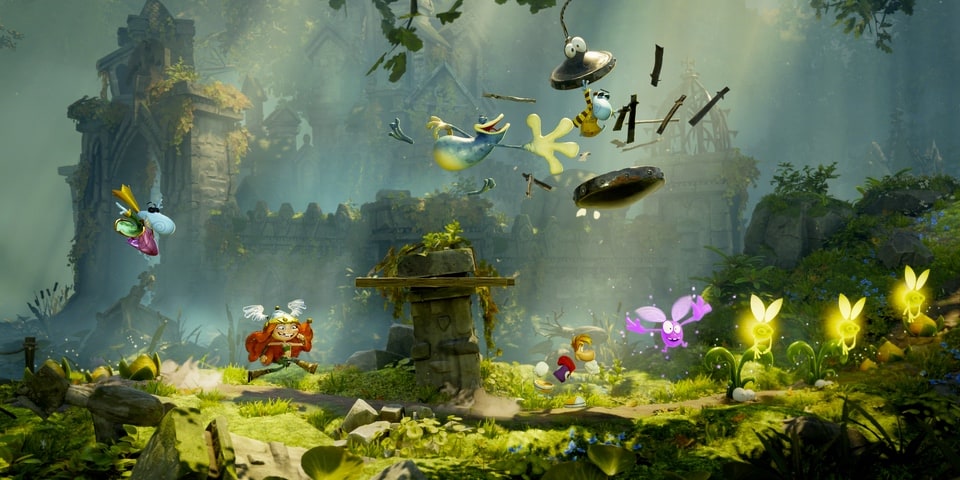
At a base level, the game has now been completely recreated within the Snowdrop 3D engine. The opening tutorial level is identical; you’ll run through the same fan-favourite music-themed stages, you’ll bump into the same bosses, encounter the same mini-puzzles. It’s everything from the original in a 1:1 remake… but in 3D. There are some clear art direction shifts through this, less about the tone of a level, and more in terms of having greater control with lighting and more fluid 3D animations, but thankfully that’s far from the limits of Retold’s ambitions.
The Retold of the title gives a bit of an indication for where Ubisoft Montpellier and Ubisoft Milan are trying to do more with the story. There’s now fully rendered, acted and voiced cutscenes telling an expanded story with a new baddie and there’s also 55 minutes of new compositions from composers Christophe Herbal and Grant Kirkhope.
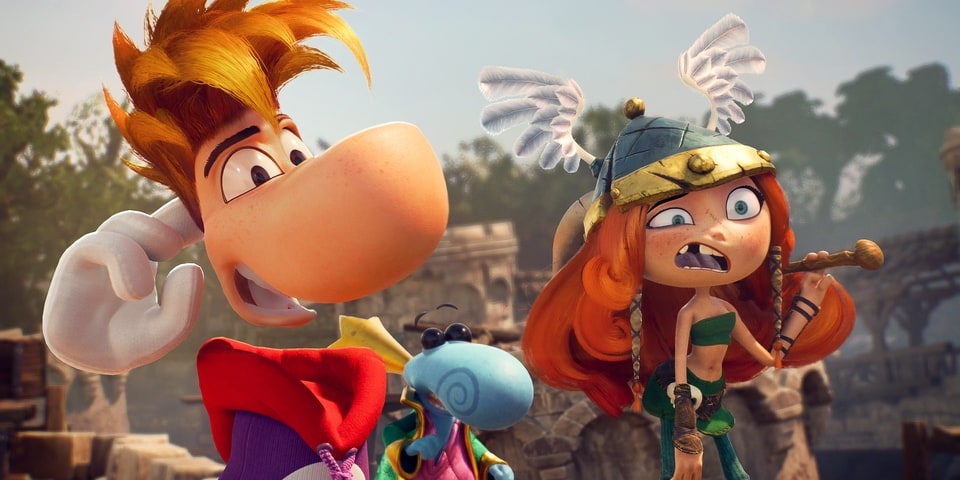
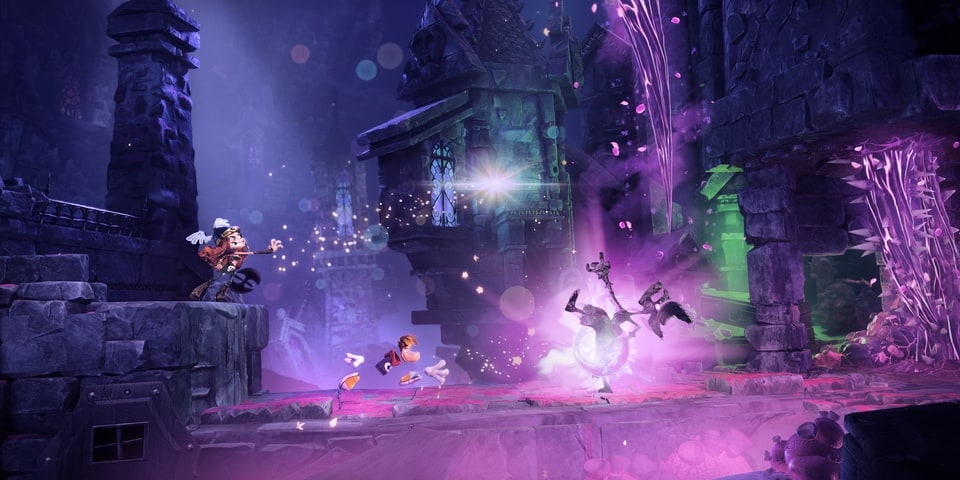
That’s all wrapped around new levels and gameplay ideas. The original stages are no longer just found within a kind of art gallery, but have dedicated hub worlds that you can run around and find more secrets and platforming puzzles within. There’s also a new sixth and final world, dedicated to the big bad and with a new Power of Light ability.
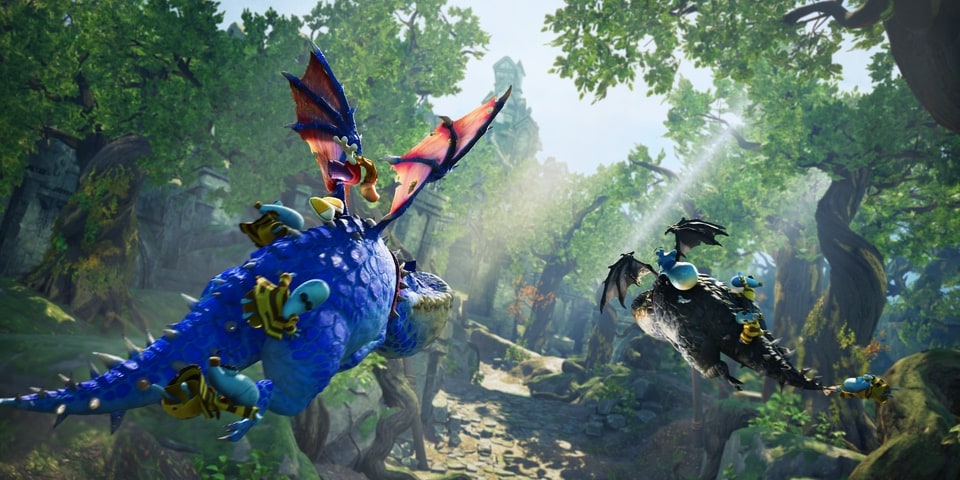
And it’s not exclusively 2D or 2.5D anymore, with new dragon-riding interstitial stages that have you flying into the screen, dodging obstacles, blasting enemies, and seeing the environment shift from one to the other. They also feature the end-of-world bosses during these segments, adding an extra pizazz and drama to the action.
For our early hands-on, we previewed some levels from the first two worlds. It’s immediately clear that if you’ve mastered Rayman Legends such that you can practically play it blindfolded, then you can do the same for Retold. Enemies are in the same places, things to kick and punch are identical, the strings of Lums you’re trying to snag in order emerge and move in the same patterns. It’s a different visual experience, but it’s the same tactile one.
And what a tactile experience it still is. There’s a wonderful technical flow to the world and level design that really rewards precision, especially when trying to collect the chains of Lums in order, and there’s a great satisfaction in finding all of the captured Teensies, as well as the two special puzzle rooms within a stage. There’s still some throwback elements, such as the levels Rayman calls in Murphy to help smack obstructions out the way, cut ropes and tickle tougher foes, which were originally conceived with the Wii U gamepad and co-op play in mind – solo players and those on other platforms just tap a button to get the same effect, which is a bit more perfunctory.
All of which is to say that Rayman Legends Retold is nice, but I’m not entirely sure why this specific remake is needed. The new 3D visuals are truly lovely and the gameplay and level design continues to sing, but the UbiArt original is still absolutely gorgeous in its own right and remains an expressively animated masterpiece. So I’m left wondering why this isn’t not a brand new Rayman or a lavish remake of the original. Perhaps, to clutch at straws, this is a proof of concept, a project so that Ubisoft Montpellier and Milan are now intimately familiar with the most recent game that they can hopefully gear up for a new one.