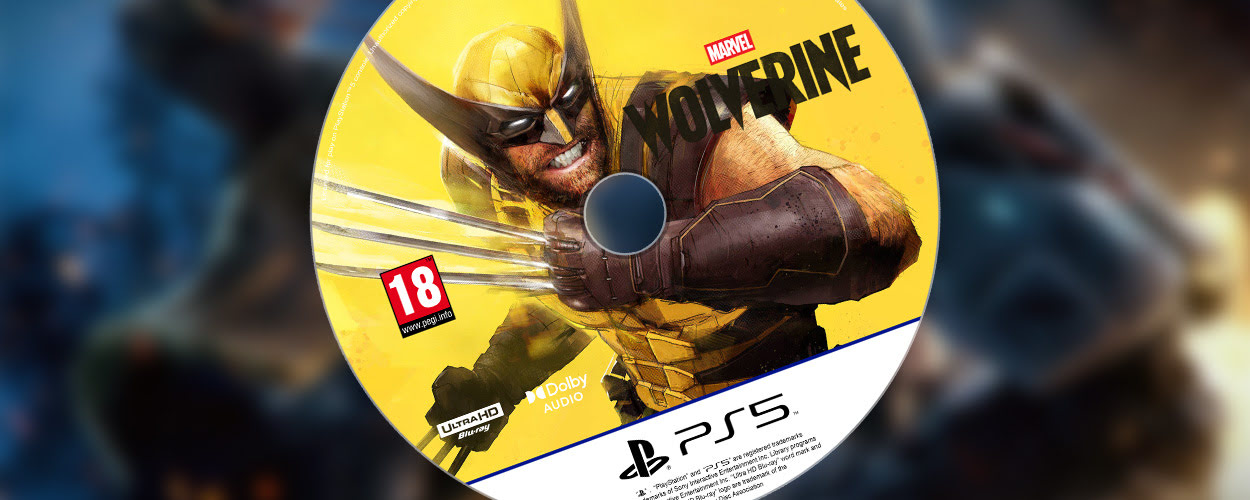
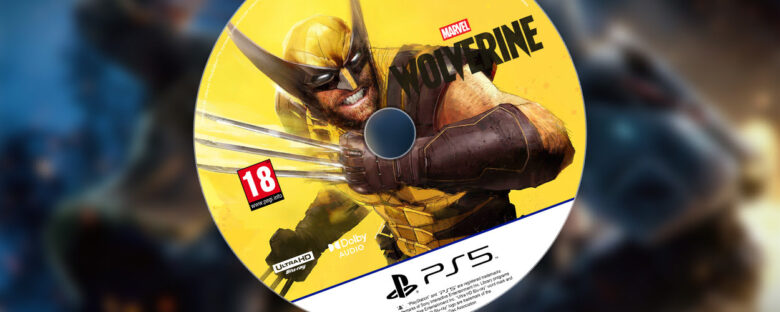
The question of game ownership was thrown into the spotlight last week as Sony announced the end of disc production for PlayStation games. While Sony certainly have some reasons to make the shift, it is one that will deprive many gamers of the freedoms that physical media has provided them in the past, and there’s potential issues for how the market can change and could be abused going forward. Simply put, we need lawmakers around the world to step forward and find better answers to the questions of digital ownership and consumer rights in the 21st century.
And it’s Sony themselves who give the biggest and most recent example of why we need more consumer protections. From 1st September 2026, anyone that purchases a Studio Canal film through PlayStation Video will no longer be able to access it, with a list of 551 films and TV series affected. It’s been five years since Sony closed the PlayStation Video store, and it seems that the license agreement that they signed with Studio Canal is expiring, allowing for access to purchases to be withdrawn.
This is a pressing issue, not least because we have already seen numerous online stores shutting down. Nintendo has discontinued their online stores for the DSi, Wii, 3DS and Wii U, while Microsoft has closed the storefront for the Xbox 360, and Sony for the PSP, with the PS Vita and PS3 stores closing over the coming year.
In all of these cases it is still possible to re-download games and DLC purchased prior to the stores being closed, but how long will that last? Nintendo’s own FAQ for the DSi ominously states “For now, you can continue to re-download purchased Nintendo DSiWare, but please be aware that this ability will stop at some point. More details will be available soon.”

You can still download purchased 3DS games, but who knows for how long.
Even without stores closing down, there are fairly regular queries found online for the recently bereaved asking how they can retain access to a Steam account for one reason or another. As the Steam Subscriber Agreement which you agree to with each purchase reads, “Your Account, including any information pertaining to it […], is strictly personal. You may therefore not sell or charge others for the right to use your Account, or otherwise transfer your Account, nor may you sell, charge others for the right to use, or transfer any Subscriptions other than if and as expressly permitted.”
With a physical disc or cartridge, you can do what you want. You can lend it to a friend, you can sell it on, you can keep it on your shelf to gather dust for a few decades, you even have the legal right to make backups and copies in many regions and countries and run them through emulators (though breaking DRM is another matter entirely). There’s next to nothing that a company can do to stop you doing what you want with physical media, within the limits of the law, but digital media and digital copies completely change the power dynamic.
Across the various storefronts, it’s the platform holders that are giving you permission to do things. Lending a digital game isn’t possible on PlayStation or Xbox outside of them turning a blind eye to how the “home console” can be used. It’s much more expressly allowed on Nintendo Switch now, allowing for in-person time-limited lending, and Steam has the Steam Family feature for family groups to pool together their various games and licenses. Refunds are even more tamped down outside major flashpoints for broken games like Cyberpunk 2077’s launch and Steam’s fairly loose policy, and the simple act of downloading a game can count as a “performance” that disqualifies you from a refund. Oh, and you can completely forget the idea of selling on your games if you no longer want to play them.
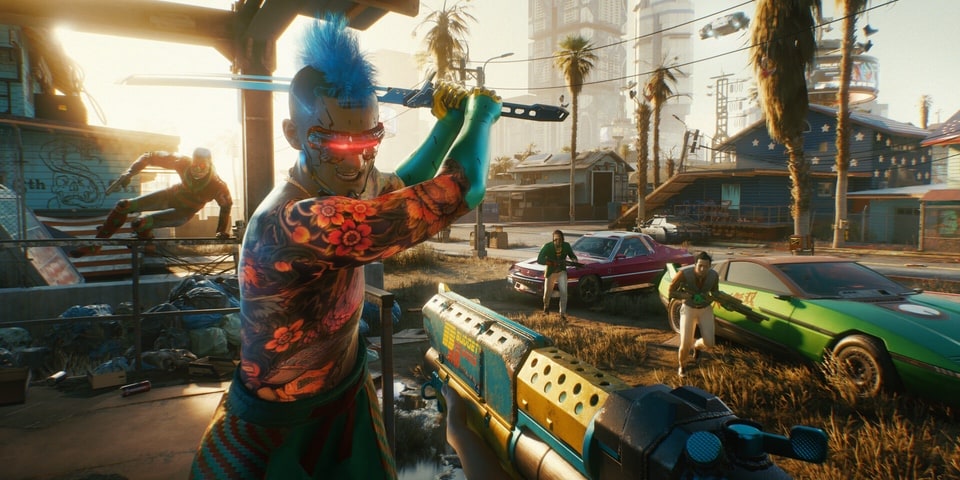
Cyberpunk 2077’s catastrophic launch forced Sony to issue blanket refunds, but it’s not always that straightforward.
The law simply treats physical and digital media very differently, and there is some sense to that from a legal standpoint, albeit still stuck in an early 2000s view of technology. The act of downloading an album, movie or game is seen as a “performance”, similar to breaking the shrink wrap on a CD or game box. You can tangibly see when a CD hasn’t been unwrapped, but you couldn’t really do the same with digital downloads back in the day. There’s far more metadata being shared back to platforms now that does make this more possible to check play counts and time – this is how Valve sets some of the boundaries for its refund policy.
And since you’re only purchasing a license, we end up with these situations where Amazon has been allowed to drop access to older Kindles and their desktop software, where movies are pulled from digital libraries, and more. There’s already tons of games released digitally that are no longer on sale since the closure or older stores, which is one issue from a game preservation standpoint, but for consumers, they’re at the mercy and whims of platform holders and the small print of their own licensing agreements to maintain access. We currently have a kind of gentleman’s agreement that we can still get at previously purchased games, but as we see the worst urges of capitalism play out between billionaires, and publishers running themselves down desperate financial alleyways, how long before that changes? Sony are quietly experimenting with dynamic pricing, which might well be illegal, so why should we trust them to be benevolent custodians of a purely digital market?
What we really need is for lawmakers to take a proactive and forward-thinking stance that enshrines consumer rights for a digital era. That’s easier said than done when many efforts to manage digital rights have skewed so heavily towards corporations in the past – just see how the DMCA is abused on YouTube – and how spurious industry lobbyist claims have been brought up to muddy the waters in debating these issues in recent years. The ESA just told the California State Senate that private Minecraft servers are “illegal”, a notably bizarre part of a hearing that ultimately led to the Protect Our Games Act (Bill AB 1921) failing to pass.
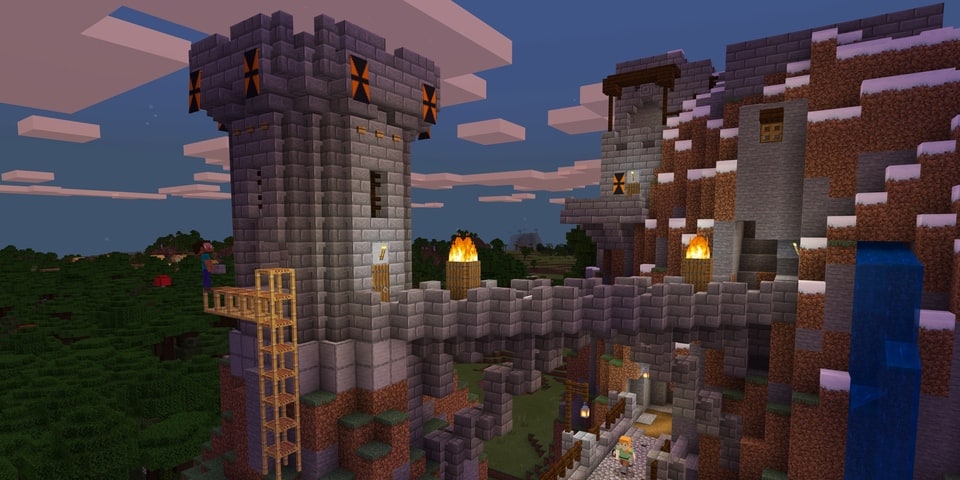
Private Minecraft servers are not “illegal”, but the ESA just told lawmakers that they are.
The fact that there even was an act to vote on and discuss is a positive sign, though, and shows that lawmakers are actively looking into the issues with digital markets and consumer rights. French presidential candidate Jean-Luc Mélenchon has called for new legislation in direct response to Sony’s announcement, the EU is working on a Digital Fairness Act which is currently in public consultation, and there’s the potential for renewed debates alongside the Stop Killing Games consumer movement. The only way to meaningfully enact change, is to petition your representatives in parliament, congress and senate to push them to understand the issue. Technically there is an EU ruling that makes reselling digital goods legal, but no onus on the companies to provide this facility.
In the meantime, PC gamers can buy games without DRM on GOG.com, giving you access to download and retain the game installers and to install and play them without license checks and online requirements. The library might not be as all-encompassing as Steam, but there’s some of the biggest games of the last few years, including two of our last three Game of the Year winners – Clair Obscure: Expedition 33 and Baldur’s Gate 3. Heck, there’s even a handful of PlayStation games on there.
Maybe they’ll be back one day.